
Why Forcing a Cat onto a Vegan Diet Is Dangerous and Wrong

Updated: Jul 25

Cats are obligate carnivores. Their bodies are built to get nutrients from animal tissue, not plants. Putting a cat on a vegan diet ignores basic feline biology and can cause serious harm, including heart disease, blindness, malnutrition, and, in documented cases, near-death experiences.
This is not a matter of preference. It is veterinary science. Forcing a cat onto a vegan diet is not only dangerous but morally wrong. Personal ideologies should never be forced upon any animal, as they do not act or think the same way human beings do.
Cats Are Obligate Carnivores by Nature
Domestic cats and their wild relatives have short digestive tracts designed for protein-rich and fat-rich prey. Their teeth shear meat rather than grind plants. Their pancreas produces limited amylase, the enzyme needed to break down starches. Cats gain little usable energy from carbohydrates and require high levels of animal-based protein.
They cannot produce several essential nutrients in useful amounts. These must come ready-made from animal sources.
Nutrients That Plants Fail to Provide
Taurine: Cats cannot make enough taurine on their own. This amino acid supports heart function, vision, reproduction, and the immune system. It appears in meat and seafood but is essentially absent from plants. Without enough taurine, cats develop dilated cardiomyopathy, a condition in which the heart muscle thins and weakens. This can lead to heart failure and sudden death. Taurine deficiency also causes retinal damage that can progress to blindness.
Arachidonic acid: This essential fatty acid occurs in animal fats. Cats lack the enzymes to convert plant precursors efficiently. Shortage leads to poor growth, skin problems, and reproductive issues.
Preformed vitamin A: Cats cannot convert plant beta-carotene into usable vitamin A the way many other animals can. They need retinol from animal tissue, especially liver. Deficiency produces skin lesions, mouth sores, and vision problems.
Other requirements: Vitamin B12, certain other B vitamins, and highly digestible animal proteins are difficult to supply adequately from plants. Even commercial vegan cat foods that add synthetic nutrients raise questions about long-term bioavailability and balance. Homemade plant-based diets rarely meet full nutritional needs.
Why Forcing a Cat onto a Vegan Diet is Dangerous and Wrong: Documented Harm and Tragic Cases
In 2013, a kitten in Melbourne, Australia, was brought to Lort Smith Animal Hospital in critical condition. Its owners had fed it potatoes, rice milk, and pasta. The kitten was extremely weak, collapsed, and nearly unresponsive. Veterinarians gave fluids, warmth, and meat-based food. After three days in hospital and continued meat feeding at home, the kitten recovered. The treating veterinarian warned against forcing human dietary beliefs onto obligate carnivores.
Read about the article here: https://www.heraldsun.com.au/leader/kitten-nearly-dies-from-vegan-diet/news-story/6be8b8f8a38eeafe50989961a20fb6fa
Veterinarians have also publicly cautioned that plant-based diets for cats can produce chronic illness, blindness, kidney problems, weak bones, and sudden death from heart disease caused by nutrient shortages.
These outcomes follow directly from feline physiology. Before commercial cat foods were routinely fortified with taurine in the 1980s, dilated cardiomyopathy was far more common in cats eating diets low in the nutrient. The same biology applies when owners deliberately withhold animal-sourced taurine.
Positions of Major Veterinary Organizations
The ASPCA states that a vegan diet is not appropriate for cats. Their gastrointestinal systems and metabolism are adapted to meat. They cannot digest plant material well and require nutrients that only animal tissue supplies.
The British Veterinary Association has stated that cats are obligate carnivores and should not be fed vegetarian or vegan diets because they need animal-sourced ingredients for essential nutrients such as taurine and preformed vitamin A.
PetMD and Blue Cross (UK) both emphasize that cats’ anatomy and physiology are designed for animal tissues. Key nutrients cannot be reliably obtained from plants alone. Homemade vegan diets carry a high risk of deficiency.
The Ethical Point
Keeping a cat creates a duty to meet that animal’s species-specific needs. Projecting human views about animal agriculture onto an obligate carnivore does not protect the cat from malnutrition. If an owner’s ethics rule out providing meat, the consistent choice is a different companion animal whose biology matches a plant-based diet, such as a rabbit or guinea pig. Forcing a predator to live on plants prioritizes ideology over the animal’s welfare.
Resource Links
ASPCA: Why Can’t My Cat Be Vegan? https://www.aspca.org/news/why-cant-my-cat-be-vegan
British Veterinary Association statement on vegan diets for cats and dogs https://www.bva.co.uk/news-and-blog/news-article/should-dogs-and-cats-be-fed-a-vegan-diet-bva-issues-statement-in-response-to-media-flurry/
PetMD: Can Cats Be Vegan or Vegetarian? https://www.petmd.com/cat/nutrition/can-cats-be-vegan-or-vegetarian
Blue Cross (UK): Can cats be vegan? https://www.bluecross.org.uk/advice/cat/food-and-weight/can-cats-be-vegan
PetMD overview of taurine deficiency in cats https://www.petmd.com/cat/conditions/cardiovascular/taurine-deficiency-cats
Frequently Asked Questions
Can commercial vegan cat food make a plant-based diet safe?
Some products add synthetic taurine and other nutrients and may meet short-term labeling standards. Bioavailability, long-term clinical results, and the basic mismatch with feline digestion remain concerns. Major veterinary organizations still advise against vegan diets for cats. Any non-standard diet should be discussed with a veterinarian and monitored with bloodwork.
What about dogs?
Dogs are more flexible metabolically. Carefully formulated vegan diets can sometimes work for dogs under expert guidance. That flexibility does not apply to cats, despite certain beliefs conjured up by ideologists who've failed to do their homework properly.
Isn’t meat production harmful to the environment and to animals?
Concerns about industrial animal agriculture are legitimate. They do not change a cat’s nutritional requirements. Responsible ownership means meeting those requirements, choosing higher-welfare sources when possible, or selecting a different pet species.
My cat seems fine on a plant-based diet right now.
Deficiencies, especially of taurine, can take months or years to produce clear clinical signs. By the time heart muscle weakens or vision declines, damage may already be advanced. External appearance is a poor guide to internal nutritional status.
What should I feed my cat?
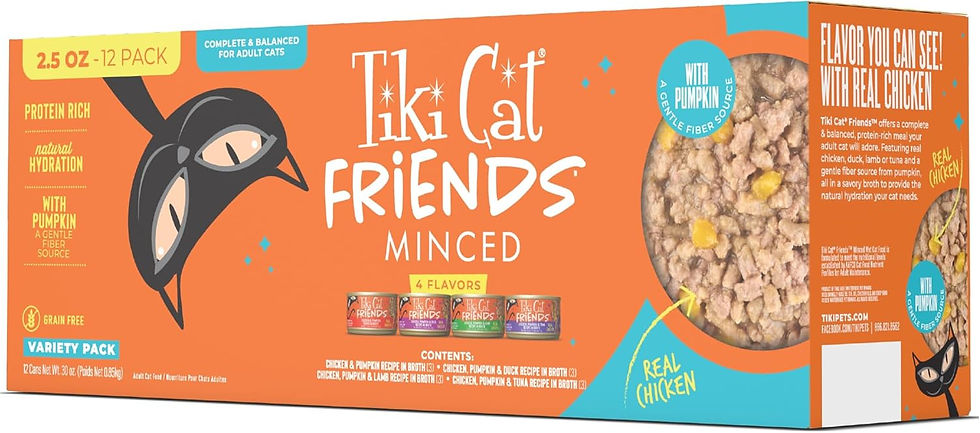
A complete and balanced commercial cat food that meets AAFCO or equivalent standards for the appropriate life stage, or a carefully formulated meat-based homemade diet under the guidance of a board-certified veterinary nutritionist. Regular veterinary check-ups with bloodwork provide the best safeguard.
Cats evolved to eat animals. Meeting that biological reality is the most responsible choice for any cat owner.


Comments