
Best Homemade Recipes for Senior Cats

Updated: Jul 25
There comes a point in every cat parent's journey when mealtime becomes about more than simply filling a bowl. A senior cat who once raced to dinner may now sniff the food, take a few hesitant bites, and wander away. As heartbreaking as that can be, it is often one of the first signs that age is changing your companion's needs.
Living With Three Senior Cats

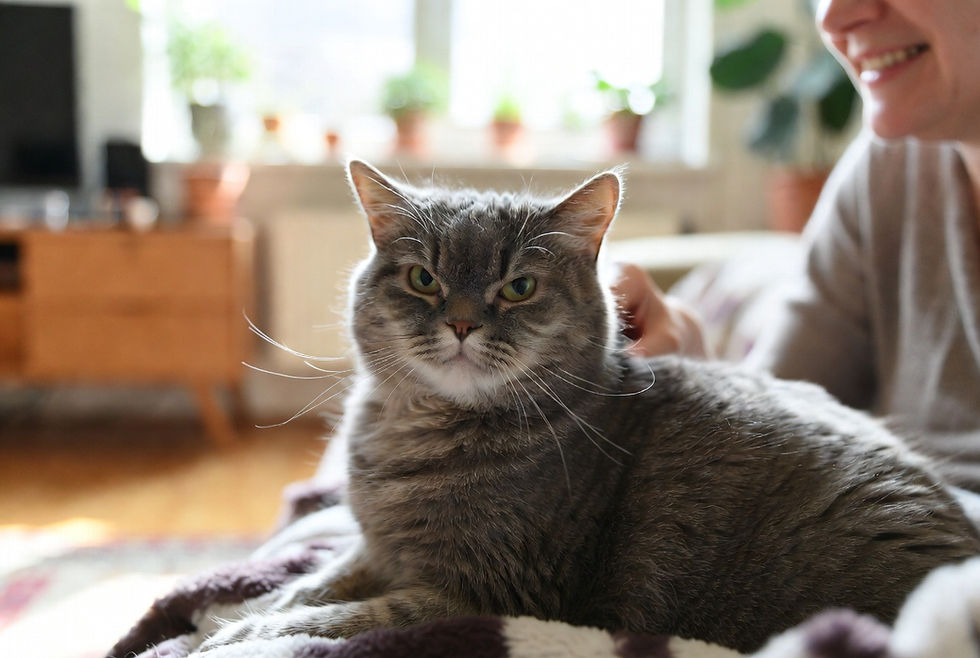
As the cat mom of three 16-year-old siblings, I've learned that growing older looks different for every cat, even when they come from the same litter. Freddy has always had a sensitive stomach, and his sister, Snow, inherited a similarly delicate digestive system. Jason has faced different challenges, including arthritis and diabetes, requiring a carefully managed diet. This includes learning how to make the best homemade recipes for senior cats.
One experience that reminded me just how important hydration can be was with Snow. She suddenly began urinating everywhere except the litter box, which immediately raised concerns about a possible urinary tract problem. After consulting with our veterinarian and closely monitoring her, I temporarily eliminated dry kibble and fed only moisture-rich food for about a week. I also placed a low-sided litter box in her favorite room to make access easier. Thankfully, her litter box habits returned to normal, and she has not experienced a recurrence.
While every cat is different and urinary issues should always be evaluated by a veterinarian, that experience reinforced something I've come to believe after caring for senior cats for many years: hydration, appropriate nutrition, and making simple environmental adjustments can sometimes make a remarkable difference. Today, I continue to pay close attention to the balance of moisture, high-quality nutrition, and each cat's individual health needs in hopes of preventing similar issues for Snow and her brothers.
Why Nutrition Changes as Cats Grow Older
Senior cats (generally those over 11 years old) experience many physical changes that influence their dietary needs.

These may include:
Reduced sense of smell and taste
Dental disease or missing teeth
Arthritis that makes eating uncomfortable
Slower digestion
Reduced muscle mass
Chronic kidney disease
Diabetes
Hyperthyroidism
Constipation
Reduced thirst
Unlike humans, cats remain obligate carnivores throughout their entire lives. They require animal protein and nutrients like taurine that simply cannot be obtained from plant-based ingredients alone.
One of the biggest myths surrounding senior cats is that they automatically need low-protein diets. In reality, healthy older cats often benefit from highly digestible, high-quality protein to help preserve muscle mass. Protein restriction is generally appropriate only for cats diagnosed with certain stages of kidney disease under veterinary supervision.
Why Homemade Food Appeals to Senior Cats
Older cats often enjoy homemade meals because they're:
Softer and easier to chew
Rich in moisture
Highly aromatic when gently warmed
Free from unnecessary artificial colors and flavorings
Made with recognizable ingredients
Moisture is especially important because many older cats naturally drink less water while becoming more susceptible to dehydration.
Best Homemade Recipes for Senior Cats
Important: These recipes are intended as occasional meals, meal toppers, or appetite enhancers unless balanced by a veterinarian or board-certified veterinary nutritionist for long-term feeding.
Cats require precise amounts of:
Taurine
Calcium
Essential fatty acids
Vitamin A
Vitamin D
B vitamins
Minerals
Simply feeding meat alone will eventually lead to nutritional deficiencies.

1. Gentle Chicken & Pumpkin Supper
Ingredients
2 oz cooked boneless chicken thigh
1 tablespoon plain pumpkin puree
2–3 tablespoons warm water
Directions
Shred or blend the chicken until soft. Mix with pumpkin and warm water to create a moist consistency.
Benefits
Highly digestible protein
Extra moisture
Pumpkin may help regulate mild constipation
Only use plain pumpkin puree, never pumpkin pie filling.
2. Turkey & Egg Comfort Mash
Ingredients
2 oz cooked lean ground turkey
½ cooked egg
2 tablespoons warm water or unsalted onion-free broth
Mash together until smooth.
Benefits
Excellent digestible protein
Soft texture
Appealing aroma for picky eaters
Introduce eggs slowly, as some cats may not tolerate them well.
3. Salmon & Zucchini Soft Blend
Ingredients
1 oz cooked boneless salmon
1 tablespoon cooked grated zucchini
1 tablespoon warm water
Mix thoroughly until soft.
Benefits
Omega-3 fatty acids
Increased moisture
Gentle texture
Fish should remain an occasional treat rather than the foundation of your cat's diet.
4. Homemade Appetite Booster Broth
Simmer plain chicken or beef in water.
Do not add:
Salt
Garlic
Onion
Herbs
Spices
Bouillon cubes
After cooling:
Remove all bones
Skim excess fat
Spoon a tablespoon over your cat's regular food
The warm aroma alone often encourages reluctant seniors to eat.
5. Chicken & Sardine Senior Supper
Ingredients
2 oz cooked chicken thigh
½ sardine packed in water (no salt added)
2 tablespoons warm water
Mash thoroughly.
Sardines provide omega-3 fatty acids that may support healthy skin, coat, and joints. Because of their sodium content, they should only be offered occasionally.
6. Slow-Cooked Turkey Stew
Ingredients
Cooked turkey thigh
Small amount of cooked pumpkin
Plenty of warm water
Blend into a smooth stew.
This recipe works particularly well for cats with dental disease or missing teeth.
Foods That Should Never Be Fed to Cats
Even loving cat owners sometimes don't realize common kitchen foods can be toxic.
Never feed cats:
Onion
Garlic
Chives
Leeks
Grapes
Raisins
Chocolate
Alcohol
Xylitol
Macadamia nuts
Raw bread dough
Excess salt
Seasoned meats
Cooked bones
Most adult cats are also lactose intolerant, making cow's milk a poor choice despite its popular image.
Should Senior Cats Eat Raw Food?
Many raw diets are marketed as "natural," but they also carry risks.
Raw meat may contain:
Salmonella
E. coli
Listeria
These bacteria can affect both cats and the humans preparing the food, particularly children, seniors, pregnant women, and those with weakened immune systems.
Most veterinary organizations recommend properly cooked proteins as the safer option.
Making Homemade Diets Nutritionally Complete

If you'd like your cat to eat homemade food every day, don't rely on internet recipes alone.
Instead:
Work with your veterinarian.
Consult a board-certified veterinary nutritionist.
Use feline-specific supplements when recommended.
Avoid guessing nutrient amounts.
Human multivitamins are not appropriate substitutes and can be dangerous.
Tips for Transitioning Senior Cats
Introduce homemade foods gradually over 7–10 days.
Watch carefully for:
Vomiting
Diarrhea
Constipation
Itching
Loss of appetite
Weight loss
A food diary can be extremely helpful when identifying sensitivities.
Helping Older Cats Enjoy Mealtime

Small changes can make a big difference.
Try:
Wide, shallow dishes to prevent whisker fatigue
Slightly warming food to enhance aroma
Feeding smaller meals more frequently
Keeping feeding areas quiet
Raising bowls slightly for cats with arthritis
Providing fresh water in multiple locations
Sometimes comfort matters just as much as nutrition.
Growing Old Together
Living with three senior cats has reminded me that aging is not something to "fix." It is something we walk through together.
Each day brings a few more naps, slightly slower movements, and longer cuddles. Yet every gentle purr, every head bump, and every contented meal reminds me how incredibly fortunate I am to still share life with them after sixteen wonderful years.
Homemade meals are simply one small way I can give back after a lifetime of unconditional love. Whether your senior companion is 11 or 21, thoughtful nutrition, regular veterinary care, and lots of affection can help make their golden years their most comfortable ones.
Frequently Asked Questions
Can senior cats eat homemade food every day?
Only if the recipe has been properly balanced by a veterinarian or a board-certified veterinary nutritionist. Meat alone does not provide all of the nutrients cats require.
Is pumpkin safe for senior cats?
Yes. Plain canned pumpkin or cooked pumpkin can help support digestive health when fed in small amounts. Avoid pumpkin pie filling.
Should I warm homemade cat food?
Yes. Slightly warming food enhances its aroma, making it more appealing to older cats whose sense of smell has declined. Food should be warm, never hot.
Is fish good for senior cats?
Fish can be a healthy occasional treat because it contains omega-3 fatty acids. However, fish should not make up the majority of a cat's diet.
What protein is easiest for senior cats to digest?
Chicken, turkey, and eggs are generally highly digestible for many cats, although every cat is different. Cats with medical conditions may require specialized diets.
How can I tell if my senior cat needs a diet change?
Consult your veterinarian if your cat develops weight loss, poor appetite, vomiting, diarrhea, increased thirst, changes in urination, difficulty chewing, or significant changes in activity.
Should cats with kidney disease eat homemade food?
Possibly, but only under veterinary supervision. Kidney disease often requires carefully controlled phosphorus, protein, and sodium levels that are difficult to achieve without professional guidance.
Can homemade food replace prescription diets?
Generally, no. Prescription diets are formulated to address specific medical conditions and should not be replaced without your veterinarian's approval.

References
American Association of Feline Practitioners (AAFP). Senior Care Guidelines for Cats. https://catvets.com/guidelines/practice-guidelines/senior-care-guidelines
Cornell University College of Veterinary Medicine. Nutrition for Cats. https://www.vet.cornell.edu/departments/riney-canine-health-center/canine-health-information/feline-health
Tufts University Cummings School of Veterinary Medicine – Petfoodology. https://vetnutrition.tufts.edu/
WSAVA (World Small Animal Veterinary Association). Global Nutrition Toolkit. https://wsava.org/global-guidelines/global-nutrition-guidelines/
Merck Veterinary Manual. Nutrition in Cats. https://www.merckvetmanual.com/
American Veterinary Medical Association (AVMA). Raw Pet Foods and the AVMA Policy. https://www.avma.org/resources-tools/avma-policies/raw-or-undercooked-animal-source-protein-cat-and-dog-diets

Comments