
Why Rescuing a Senior Cat Is Good for the Soul

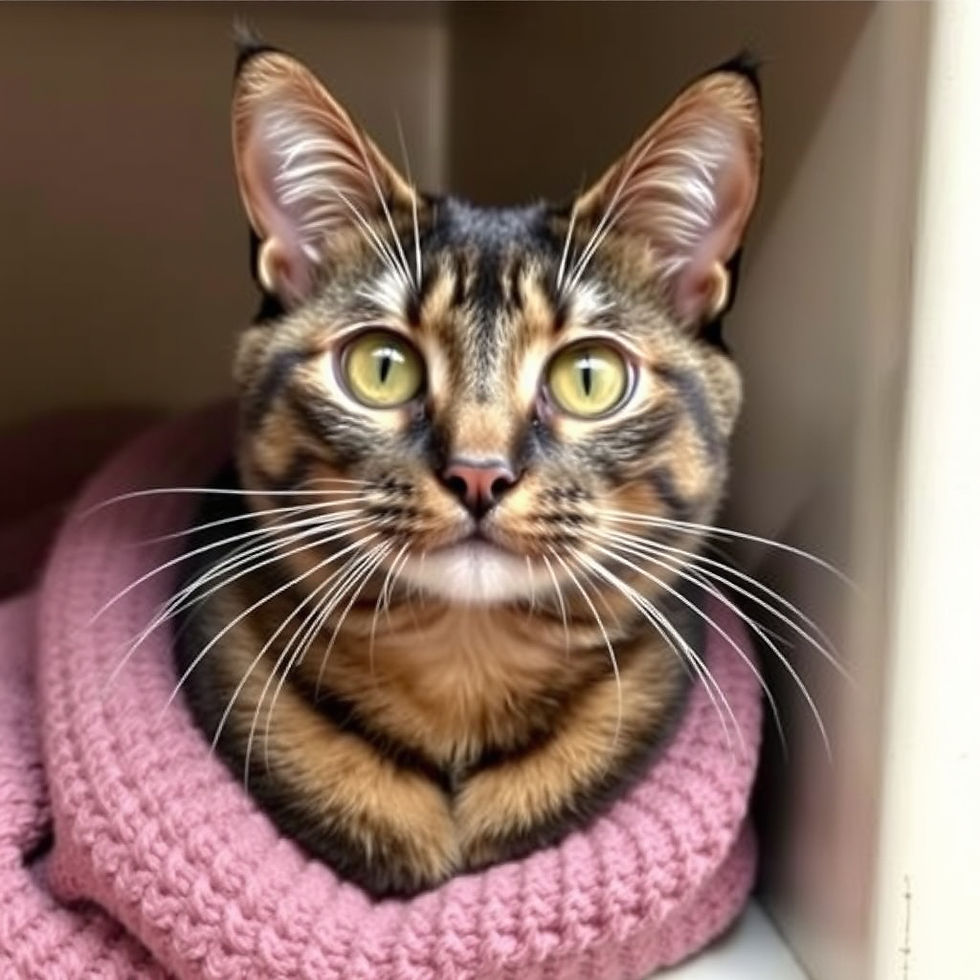
The cat waiting quietly in the corner kennel is often the one people walk past. Kittens tumble, chirp, and demand attention. A senior cat may simply look up with wise eyes, offer a slow blink, and settle back into the blanket. Yet that calm presence can become one of the most meaningful relationships in a home. That is why rescuing a senior cat is good for the soul: it makes room for compassion, patience, laughter, and the kind of steady love that does not need to perform to be real.
Older cats are not "leftover" pets. They are full personalities with a lifetime of preferences, stories, and affection still to give. Welcoming one home is a beautiful decision, but it should also be an honest one. A senior cat may need more medical care than a kitten, and the time you share may be shorter. For many families, though, the trade-off is a companion whose gratitude, routines, and peaceful affection change the rhythm of the household for the better.
Why Rescuing a Senior Cat Is Good for the Soul
Senior cats invite us to see worth beyond novelty. A kitten is all possibility, but an older cat is already somebody. Maybe she loves a sunny windowsill, insists on drinking from a wide ceramic bowl, or carries on a full conversation at breakfast. Maybe he has the confidence to greet visitors, the dignity to decline a lap, and the surprising habit of sleeping belly-up once he feels safe.
When you choose a senior cat, you are saying that a life does not become less valuable because it has a few gray whiskers. That is a needed message in a culture that too often chases whatever is newest, fastest, or flashiest. Compassion has a quieter kind of strength. It notices the overlooked and makes room at the table - or, more accurately, on the couch.
For Christian families, caring for an older animal can also be a gentle daily reminder of stewardship. It is not about pretending a pet can solve every sorrow or replace human community. It is about practicing faithful care in the small, ordinary moments: refreshing water, giving medication, speaking kindly, and showing up again tomorrow. Love is often built exactly there.
Their Personalities Are Already on Display
One of the greatest gifts of adopting an older cat is that the mystery is usually smaller. With kittens, families are still discovering whether they will grow into climbers, cuddlers, chatterboxes, or curtain inspectors. A reputable rescue or foster family can often tell you far more about a senior cat's established temperament.
You may know whether the cat enjoys children, prefers a quiet home, gets along with another respectful cat, or would rather be the undisputed ruler of the household. You may learn that she uses the litter box reliably, enjoys brushing, or sleeps through the night rather than launching a 2 a.m. hallway rodeo. That clarity matters for busy parents, first-time cat guardians, and households that want to make a thoughtful match.
A senior cat is not always low-maintenance, but many are past the wildest stage. Their version of fun may be a wand toy, a crinkly paper bag, or a laser pointer used briefly and safely. They still need play, enrichment, and attention. They simply tend to appreciate a good nap afterward as much as you do.
A Calm Cat Can Change the Feel of a Home
Cats enrich a household in ways that are easy to miss until they are there. A senior cat can turn an empty chair into a favorite shared space and a quiet evening into a ritual. Their purr may greet you after a difficult day. Their insistence on supper can bring some welcome structure when life feels scattered.
For children, an older cat can offer lessons in gentleness and boundaries. Kids learn to notice a twitching tail, respect a retreat to a cozy bed, and understand that affection is freely given, not demanded. Those are valuable lessons in empathy. Adults can benefit, too. Senior cats are excellent at reminding us to sit down, soften the noise, and pay attention to the small good things in front of us.
Their affection is often deeply moving because it is chosen. A cat who has experienced change, loss, or shelter life may take time to settle. When that cat begins following you from room to room or presses a warm head against your hand, it feels less like a transaction and more like trust taking root.
Give Love With Open Eyes
A soulful choice is still a practical choice. Before adopting, ask the rescue what is known about the cat's health history, diet, medications, dental condition, mobility, and behavior. Ask what the cat needs to feel secure and whether there are signs to watch for during the adjustment period. Clear information helps you prepare instead of being surprised.
Senior cats commonly need veterinary attention for dental disease, arthritis, thyroid issues, kidney disease, diabetes, or changes in vision and hearing. Some need only routine checkups; others need daily medication, prescription food, or regular monitoring. Veterinary costs can add up, so consider your budget before bringing a cat home. Love should be wholehearted, but responsible love plans ahead.
Set up a comfortable landing place with food and water away from the litter box, a soft bed, scratching surfaces, and an easy-to-enter litter box. If mobility is limited, low-sided boxes, pet stairs, and cozy beds on the main floor can make a real difference. Keep the first few days calm. Let your cat approach on their own terms, and do not mistake hiding for rejection. Many older cats need time to realize they are safe for good.
Respect Their Pace and Celebrate Their Wins
Some senior rescues settle in quickly, claiming a pillow before sunset. Others need weeks to venture beyond one room. Both responses are normal. The goal is not to force a quick bond. The goal is to create a dependable home where a cat can relax into who they already are.
Celebrate the small victories: the first full meal, the first purr, the first stretch in the open, the first toy bat across the rug. Keep routines steady and speak gently. If you have resident pets, introduce them slowly, with separate spaces and careful supervision. A peaceful match is worth more than a rushed introduction.
Do not assume an older cat wants nothing but sleep. Offer short play sessions, safe places to climb or perch, window views, and affectionate contact when welcomed. Mental stimulation supports quality of life at every age. Just match the activity to the cat in front of you, not to an idea of what cats are supposed to do.
The Love Is Not Measured in Years
The hardest truth about senior-cat adoption is also the one that makes it meaningful: no one can promise how long you will have together. A younger cat may live many years, while a senior cat may give you a shorter season. But a relationship is not less precious because it is finite. The best days are still best days, whether there are thousands of them or fewer than we hoped.
Some people avoid senior cats because they fear grief. That fear is understandable. Still, choosing to love a vulnerable animal is not inviting only sadness into your home. It is choosing joy with its eyes open. It is offering safety now, comfort now, and belonging now.
A senior cat does not need a perfect house or a flashy life. They need a clean place to rest, reliable care, a little play, and people who see them as worthy of tenderness. Make room for that older whiskered face, and you may find that the rescue is not one-sided. A gentle cat with a seasoned heart can teach your household how to slow down, love bravely, and recognize a blessing when it curls up beside you.
Reference Links
What To Know About Adopting a Senior Cat | PetMD: https://www.petmd.com/cat/general-health/what-to-know-about-adopting-senior-cat
Benefits of Adopting a Senior Cat | The Vet Desk: https://thevetdesk.com/pet-lifestyle/cats/benefits-of-adopting-a-senior-cat/
Why Adopt an Older Cat? | Purina UK: https://www.purina.co.uk/find-a-pet/articles/getting-a-cat/adoption/why-adopt-an-older-cat
10 Reasons You Should Adopt a Senior Cat | GreaterGood: https://greatergood.com/blogs/news/why-you-should-adopt-a-senior-cat
Adopting a Senior Cat: What You Should Know | Petfinder: https://www.petfinder.com/cats-and-kittens/adoption/new-cat/adopting-a-senior-cat/
Pet Ownership and Cognitive Decline Study | ScienceDaily: https://www.sciencedaily.com/releases/2022/02/220223210035.htm
10 Most Common Illnesses in Senior Cats | PetMD: https://www.petmd.com/cat/general-health/most-common-illnesses-in-senior-cats
FAQs
What age is a senior cat? Many organizations consider cats senior around 7-10 years old. They remain wonderful companions with proper care.
Are senior cats more expensive to adopt and care for? Adoption fees are often lower or waived for seniors. They may need more veterinary care for conditions like arthritis or kidney disease, so budgeting for checkups, medications, and special diets is important.
Do senior cats get along with kids and other pets? Many do, especially when their temperament is known from foster or shelter notes. Slow introductions and supervision help create peaceful matches.
How long do senior cats live after adoption? It varies. Healthy seniors can live many more years. Focus on quality time rather than quantity.
What health issues are common in senior cats? Common concerns include dental disease, arthritis, kidney disease, hyperthyroidism, and diabetes. Regular vet visits catch issues early.
Why are senior cats often overlooked in shelters? Kittens get adopted faster due to their novelty. Senior cats wait longer despite being calmer, litter-trained, and full of love.
How can I help a senior cat adjust to my home? Provide a quiet starter space, maintain routines, offer gentle play, and give them time. Patience leads to strong bonds.


Comments