
Why You Should Keep Your Cat Indoors Safely

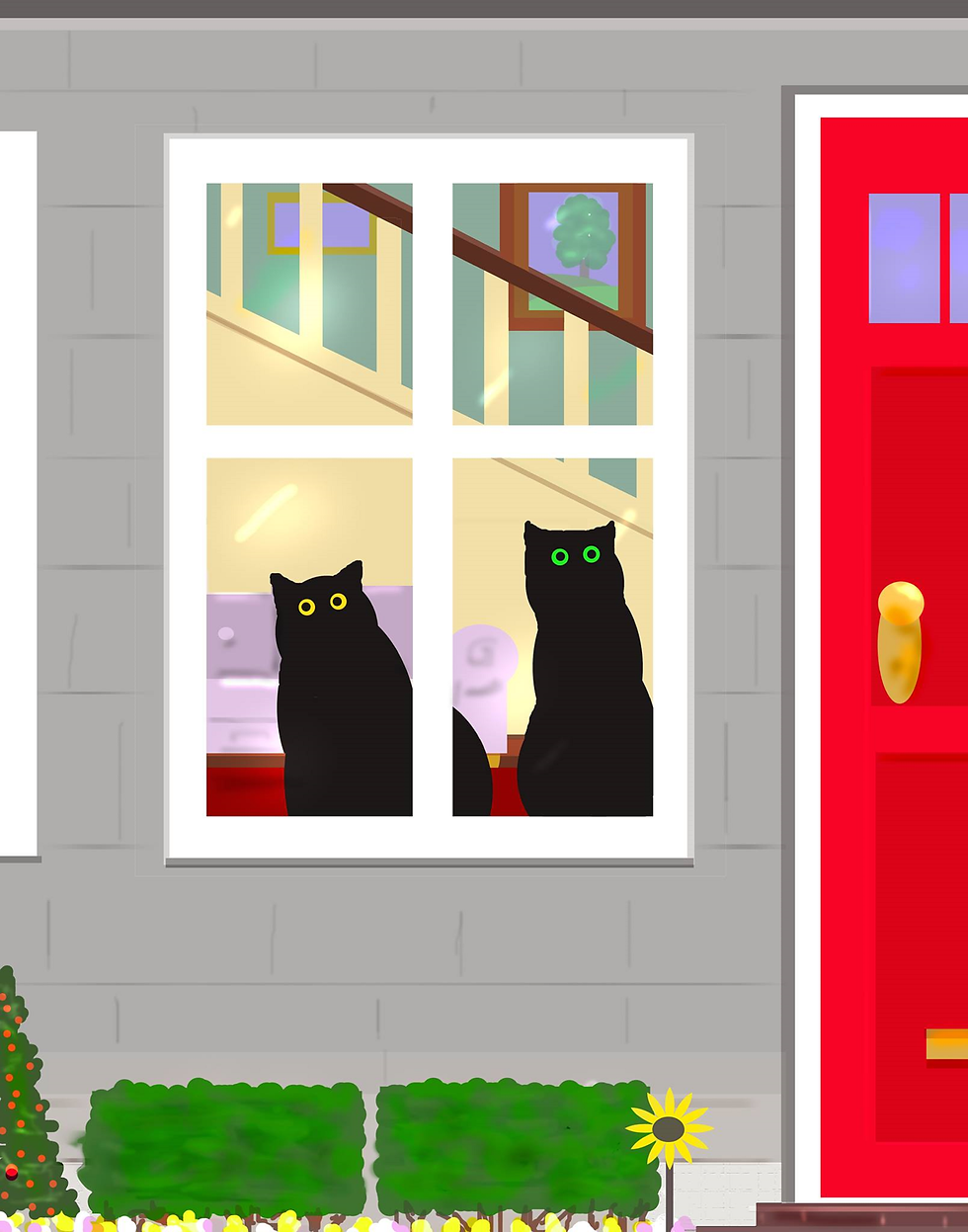
A cat watching birds from a sunny window may look like they're longing for the great outdoors. In reality, that view may be exactly what they need. While many people assume cats are happiest roaming freely, modern veterinary and animal welfare experts overwhelmingly agree that keeping pet cats safely indoors is one of the best ways to protect their health, extend their lives, and safeguard local wildlife.
An indoor lifestyle does not mean taking away a cat's happiness. It means replacing unnecessary danger with safety, enrichment, adventure, and quality time with the people they love. With thoughtful care, indoor cats can enjoy long, active, deeply fulfilling lives while avoiding many of the hazards that outdoor cats face every day.
Why Indoor Living Is Safer
No matter how confident or experienced a cat may seem, the outdoors presents risks they simply cannot understand.
Busy roads, speeding vehicles, roaming dogs, coyotes, foxes, birds of prey, poisonous plants, pesticides, antifreeze, parasites, contagious diseases, animal traps, and even well-meaning neighbors can quickly turn an ordinary adventure into a tragedy.
Cats don't recognize traffic laws. They don't know which garage door is about to close behind them or which patch of grass was sprayed with chemicals earlier that day. Even a familiar neighborhood can change in an instant.
Many missing-cat posters begin with a pet that had safely wandered outside several times before something finally went wrong. Choosing an indoor lifestyle dramatically reduces these risks while allowing your cat to enjoy life in a controlled, loving environment.
Indoor Cats Usually Live Longer
One of the greatest benefits of keeping cats indoors is longevity. Indoor cats are generally less likely to experience:
Vehicle accidents
Attacks from dogs, other cats, or wildlife
Infectious diseases such as Feline Leukemia Virus (FeLV) and Feline Immunodeficiency Virus (FIV)
Fleas, ticks, intestinal parasites, and other pests
Poisoning from chemicals or toxic plants
Human cruelty
Becoming permanently lost
Regular veterinary care, vaccinations, parasite prevention, microchipping, and spaying or neutering all contribute to a healthier life, but these protections are most effective when paired with the safety of an indoor home.
For families, those extra years matter. Every peaceful evening on the couch, every comforting purr, and every playful zoomie becomes another cherished memory shared.
Protecting Wildlife Starts at Home
Keeping your cat indoors benefits more than your own pet. Domestic cats are highly skilled hunters. Even well-fed cats continue to stalk, chase, and catch prey because hunting is deeply rooted in their instincts.
Free-roaming cats can prey upon:
Songbirds
Rabbits
Chipmunks
Mice
Lizards
Frogs
Small snakes
Beneficial insects
Many native wildlife populations are already struggling due to habitat loss, climate change, pollution, and other human pressures. Responsible pet ownership helps reduce one additional source of stress.
This isn't about blaming cats. They're simply behaving like cats. The responsibility belongs to us.
For people who admire both domestic cats and wild felines, keeping pet cats safely indoors is one of the simplest ways to help protect local ecosystems.
Your Cat Doesn't Need to Roam to Be Happy

One of the biggest myths about cats is that they need unrestricted outdoor access to live fulfilling lives.
What cats truly need is the opportunity to express their natural behaviors. That includes:
Climbing
Scratching
Hunting through play
Exploring new scents
Observing wildlife
Solving simple challenges
Resting in secure places
Spending time with their favorite people
An enriched indoor environment provides all of these opportunities without exposing your cat to unnecessary danger.
Make Your Home an Adventure
Indoor cats thrive when their environment changes and challenges them. A few simple additions can dramatically improve their quality of life.
Create Vertical Space
Cats naturally seek higher ground. Cat trees, climbing shelves, window hammocks, and sturdy bookcases allow them to observe their surroundings while feeling secure.
Vertical territory also reduces stress in multi-cat households.
Play Like Prey
Interactive wand toys remain one of the best forms of enrichment.
Move the toy like a mouse or bird:
Hide behind furniture
Pause occasionally
Allow stalking
Finish with a successful "catch"
Short play sessions of 10–15 minutes two or three times daily often satisfy even energetic young cats.
Rotate Toys
Cats quickly become accustomed to seeing the same toys every day.
Instead of leaving everything out, rotate toys weekly. A toy that disappears for a few days often feels brand new when it returns.
Simple items like cardboard boxes, paper bags with handles removed, tunnels, and puzzle feeders provide inexpensive entertainment.
Always inspect toys regularly and discard anything with loose pieces that could be swallowed.
Windows Are Nature's Television
Few things entertain cats more than a comfortable window perch. Watching birds, squirrels, butterflies, leaves blowing in the wind, and passing neighbors provides hours of gentle mental stimulation.
If you enjoy feeding birds, position feeders far enough away from windows to reduce the risk of birds striking the glass while still allowing your cat an excellent view.
Many cats also enjoy nibbling fresh cat grass grown without pesticides or chemical fertilizers. Be cautious with houseplants, however. Numerous common varieties (including true lilies) are extremely toxic to cats.
Safe Outdoor Experiences
Fresh air doesn't have to mean free roaming. Many cats enjoy outdoor experiences when they remain safely supervised.
Excellent options include:
Fully enclosed catios
Secure screened porches
Cat-proof fenced yards
Escape-proof outdoor enclosures
Properly fitted harness walks for cats that enjoy them
Not every cat likes wearing a harness, and that's perfectly fine. Never force the experience. Some cats happily explore outdoors on a leash, while others are much more content watching the world from a sunny window.
Transitioning an Outdoor Cat Indoors
Cats accustomed to roaming may initially protest the change.
Expect some:
Meowing
Door scratching
Attempts to dash outside
Increased curiosity near exits
These behaviors usually improve with patience and consistency. Rather than punishing your cat, redirect their attention, offer:
Interactive play before their usual outdoor time
Puzzle feeders
Treat hunts around the house
Fresh cardboard boxes
New climbing opportunities
Extra affection
Maintaining predictable routines helps many cats adjust more quickly.
Every Cat Is Different
A quiet senior cat may be perfectly content spending the afternoon napping in the sun. A young Bengal, Abyssinian, or rescue kitten may require far more exercise and mental stimulation. Observe your individual cat.
If you notice sudden changes in:
Appetite
Litter box habits
Sleeping patterns
Aggression
Hiding
Excessive vocalization
Schedule a veterinary visit to rule out medical concerns before assuming it's purely behavioral.
A Safer Choice for Cats and Wildlife
Keeping your cat indoors is one of the kindest decisions you can make. It protects your companion from preventable injuries and disease while helping preserve the birds, mammals, reptiles, and amphibians that share our communities.
For cat lovers who also admire wild felines (including lions, tigers, leopards, jaguars, cheetahs, ocelots, bobcats, lynx, fishing cats, and snow leopards), responsible pet ownership reflects a broader respect for all members of the feline family.
At Cattytude, we believe loving cats means celebrating both the companions who share our homes and the magnificent wild cats that still roam forests, mountains, grasslands, and deserts around the world. Every responsible choice, no matter how small, helps build a future where domestic cats remain safe, and wildlife continues to thrive.
A protected cat isn't missing out on life. They're simply living their best life where they are loved most (and safe at home).
Frequently Asked Questions
Is it cruel to keep a cat indoors?
No. Cats can live rich, happy lives indoors when they have opportunities to climb, scratch, play, explore, and interact with their families.
Do indoor cats live longer than outdoor cats?
Generally, yes. Indoor cats are less likely to experience vehicle accidents, disease, predators, poisoning, or becoming lost, all of which contribute to longer average lifespans.
Can indoor cats get enough exercise?
Absolutely. Interactive toys, climbing furniture, puzzle feeders, tunnels, scratching posts, and several short daily play sessions provide excellent physical and mental stimulation.
What if my cat wants to go outside?
Some cats enjoy supervised outdoor time in catios, secure enclosures, or on a properly fitted harness. Free roaming is the riskiest option.
Are outdoor cats harmful to wildlife?
Free-roaming domestic cats can significantly impact birds and other native wildlife. Keeping cats indoors helps protect both your pet and local ecosystems.
How can I keep my indoor cat from getting bored?
Rotate toys regularly, provide climbing spaces, install window perches, use food puzzles, offer scratching posts, schedule interactive play, and occasionally introduce new enrichment activities like treat hunts or cardboard forts.
Are catios worth it?
Yes. Catios allow many cats to safely enjoy sunshine, fresh air, and natural sights and sounds while protecting them from traffic, predators, disease, and getting lost.



Comments