
What's Safe for Cats? A Calm Home Safety Guide


A cat can turn a quiet afternoon into a full investigation of a grocery bag, windowsill, cleaning bucket, or dangling phone charger. That curiosity is part of the magic, but it is also why knowing what's safe for cats matters. A few thoughtful choices can protect the little lion ruling your living room without turning your home into a joyless no-touch zone.
Cats enrich a household in ways that are easy to feel and hard to measure. They offer company during long days, comic relief at exactly the right moment, and the comforting rhythm of purring beside us. Keeping them safe is one practical way we return that trust.
What's Safe for Cats in Everyday Spaces
A cat-safe home is not about buying specialty everything. It is about seeing familiar objects from a cat's point of view: Can I chew it, bat it, climb it, lick it, or knock it down? If the answer is yes, decide whether the item is harmless, needs to be secured, or belongs behind a closed door.
Start with the floor and low surfaces. Loose string, yarn, ribbon, hair ties, rubber bands, dental floss, twist ties, and small toy parts can cause serious intestinal blockages if swallowed. Cats may look perfectly fine at first, then stop eating, vomit, hide, or strain in the litter box. Keep these items in drawers or lidded containers, especially after wrapping gifts, sewing, or doing crafts.
Electrical cords deserve attention, too. A cord cover can discourage chewing, while unplugging unused chargers removes temptation. I learned this lesson early as a new cat mom. One of my young cats (China) decided that the cord on my table lamp looked like the perfect chew toy. Thankfully, I had not plugged the lamp in yet. It was a close call that reminded me how quickly curiosity can become dangerous.
Open windows need sturdy, properly fitted screens, not just a cracked opening and good intentions. Cats can push through weak screens faster than most people expect. I also learned this lesson the hard way. More than 20 years ago, my five-month-old kitten (Ripley) treated a window screen like a scratching post. The screen gave way, and she fell outside. Thankfully, I lived in a mobile home instead of a high-rise apartment, so the fall itself was not fatal. Unfortunately, she became frightened and ran off. Despite searching for her, I never saw her again. Even after all these years, I still remember that day as if it happened yesterday. It is a heartbreaking reminder that even a seemingly secure screen should never be trusted to keep a determined or playful cat safe.
Laundry rooms, garages, and storage areas should be treated as restricted zones. Antifreeze, rodent poison, fertilizers, paint products, batteries, detergent pods, and chemicals are not cat-safe. Even a small exposure can be dangerous. Check the dryer, washer, closets, recliners, and under-the-hood spaces before closing or starting anything. Warm, dark places can look like an invitation to nap.
No one becomes a perfect cat owner overnight. Most of us learn through experience, and sometimes those lessons come at a painful cost. Sharing these stories is not about dwelling on mistakes. It is about helping other cat owners avoid the same heartache by recognizing hazards before curiosity turns into tragedy.
Food Is Not Always a Friendly Treat

The safest everyday food for most cats is a complete and balanced cat food made for their life stage, plus fresh water. Cats are obligate carnivores, meaning animal-based protein is central to their nutritional needs. Treats can be a happy part of life, but they should stay a small part of the daily menu.
Some human foods are safe only in plain, modest portions. Fully cooked, unseasoned chicken, turkey, beef, or fish can work as an occasional treat. A little plain cooked egg may also be fine for many cats. Skip salt, butter, sauces, marinades, garlic, onion, and seasoning blends. A bite of plain meat is very different from a bite of dinner off your plate.

Avoid chocolate, alcohol, caffeine, grapes, raisins, onions, garlic, chives, raw yeast dough, and foods sweetened with xylitol. Bones are also a poor choice because they can splinter or lodge in the mouth and throat. Milk is another classic misunderstanding. Many adult cats cannot digest lactose well, so that charming saucer can lead to diarrhea and discomfort.
Be watchful with bargain treats and heavily flavored store-brand products. The issue is not that every store-brand item is toxic, because that is not true, but that some products are packed with unnecessary dyes, sugars, vague flavorings, or calories that do not serve a cat's health. Read the label, watch serving sizes, and choose foods with clear ingredients and a nutritional statement showing they are complete and balanced when used as a main diet.
A sudden food change can upset even a healthy stomach. When switching diets, mix the new food in gradually over several days unless a veterinarian gives different instructions. For cats with urinary issues, kidney disease, allergies, diabetes, or chronic digestive trouble, a food that is safe for one cat may not be right for another. Their medical needs set the rules.
Plants, Flowers, and Fragrance Need Extra Care
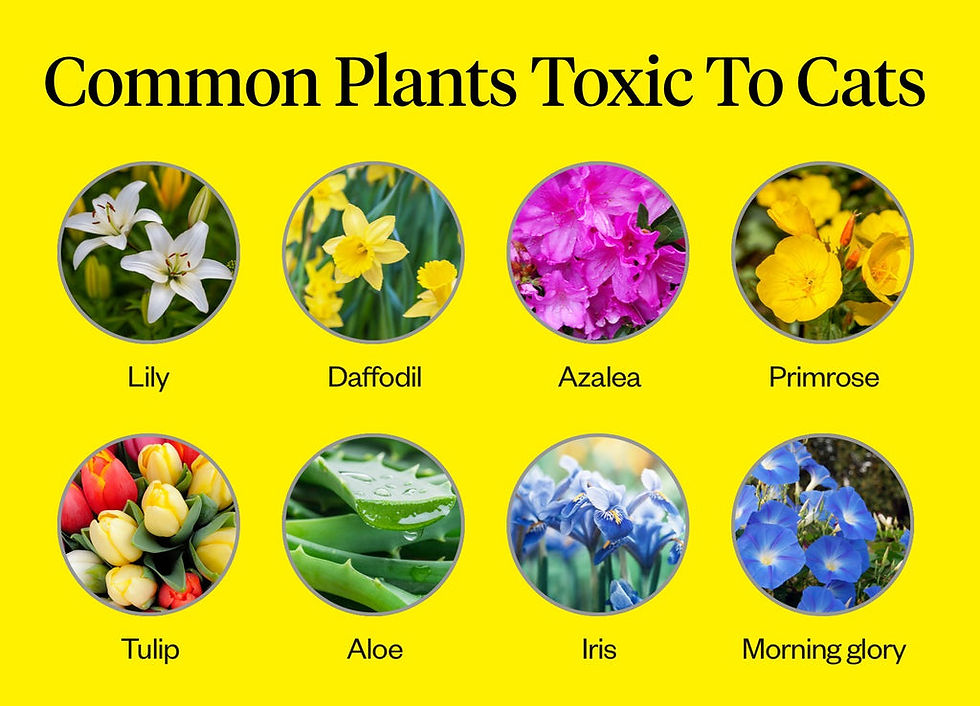
A bouquet may brighten the kitchen, but lilies can be deadly to cats. This includes many true lilies and daylilies. Pollen, leaves, petals, vase water, and even a small lick can lead to severe kidney failure. If a cat may have contacted a lily, seek emergency veterinary guidance immediately. Do not wait for symptoms.
Other plants that deserve caution include sago palm, tulips, daffodils, azaleas, cyclamen, aloe, and wide varieties of philodendron. When bringing home a plant, identify the exact species first. “It came from the grocery store” or “it was labeled tropical” is not enough information when a curious cat is involved.

Fragrance is another place where less is often better. Cats have sensitive respiratory systems and groom themselves constantly, so residues on fur and paws can become an ingestion issue. Skip essential oil diffusers, scented plug-ins, incense, and strong sprays in areas where your cat spends time. Essential oils are not automatically safe because they are natural. Tea tree, eucalyptus, peppermint, cinnamon, citrus, pine, and wintergreen oils are among those that can create problems for cats.
Choose unscented litter when possible, ventilate after cleaning, and keep your cat away until surfaces are dry. Never use a human medication, essential oil remedy, or leftover pet medication without veterinary approval. Acetaminophen and ibuprofen, for example, can be extremely dangerous for cats.
Clean Play Is Part of a Safe Life

Cats need outlets for stalking, pouncing, scratching, climbing, and resting. Safe play reduces boredom, and boredom can turn a perfectly ordinary cord or houseplant into a target. Use sturdy toys sized too large to swallow, inspect them for loose pieces, and put wand toys away after supervised play. The string may be fun when you are holding it, but it is not a safe solo activity.
A stable scratching surface, a cozy hiding spot, a perch near a secured window, and a few short play sessions can make a real difference. Rotation helps, too. Putting a toy away for a week and bringing it back later can make it feel exciting again without filling the house with clutter.
For outdoor time, safety depends on the setting. A secure enclosure, enclosed patio, or harness walk with patient training offers more protection than free roaming. Outdoor cats face traffic, predators, parasites, poisons, and fights with other animals. Even confident cats can be startled into a dangerous dash. A collar with identification and a current microchip are wise layers of protection, but they do not replace supervision.
When Curiosity Turns Into an Emergency
Cats are skilled at hiding pain, so small changes deserve respect. Call a veterinarian or pet poison service promptly if your cat may have eaten something questionable, especially a medication, chemical, string, toxic food, or plant. Bring the package, plant name, or product label if you can. Clear details help professionals make faster decisions.
Urgent warning signs include repeated vomiting, trouble breathing, collapse, seizures, extreme sleepiness, drooling, a swollen face, sudden weakness, inability to urinate, or a string hanging from the mouth or rear. Never pull a visible string, and never induce vomiting unless a veterinary professional specifically tells you to do so. Quick, calm action is far safer than guessing.
A safe home is built in small habits: closing the cabinet, checking the bouquet, putting away the ribbon, and choosing plain food over a mystery bite. Your cat does not need a perfect house. They need a watchful family, room to be wonderfully feline, and the steady assurance that their people are paying attention.
Resources & Links

ASPCA Toxic and Non-Toxic Plant List for Cats: https://www.aspca.org/pet-care/animal-poison-control/cats-plant-list
ASPCA People Foods to Avoid Feeding Your Pets: https://www.aspca.org/pet-care/aspca-poison-control/people-foods-avoid-feeding-your-pets
ASPCA Animal Poison Control Center: https://www.aspca.org/pet-care/animal-poison-control (Hotline: 888-426-4435)
Cornell Feline Health Center – Common Cat Hazards: https://www.vet.cornell.edu/departments-centers-and-institutes/cornell-feline-health-center/health-information/feline-health-topics/common-cat-hazards-0
PetMD – What Human Foods Can Cats Eat: https://www.petmd.com/cat/nutrition/what-human-foods-can-cats-eat
Pet Poison Helpline: https://www.petpoisonhelpline.com/ (Hotline: 855-764-7661)
AVMA Household Hazards: https://www.avma.org/resources-tools/pet-owners/petcare/household-hazards
Frequently Asked Questions
What human foods are generally safe for cats in small amounts?
Cooked plain chicken, turkey, or lean beef (no bones, skin, seasoning, or fat). Small portions of cooked pumpkin, plain steamed broccoli or green beans, and a few blueberries or a thin slice of banana are usually fine as occasional treats. Always introduce new foods slowly and watch for stomach upset. Cats are obligate carnivores, so human food should never replace a complete commercial cat diet.
Which common human foods are toxic or dangerous?
Chocolate, coffee, caffeine, onions, garlic, chives, grapes, raisins, xylitol (found in some sugar-free gums, candies, and peanut butters), alcohol, raw dough, and bones. Dairy often causes digestive upset because most adult cats are lactose intolerant. Raw meat and eggs carry bacterial risks.
Are houseplants safe?
Many popular plants are toxic. Lilies (including Easter, tiger, and daylilies) can cause life-threatening kidney failure even from pollen or a tiny nibble. Other high-risk plants include sago palm, azalea, tulips, daffodils, and philodendron. Safe options include spider plant, African violet, Boston fern, and certain orchids. Always check the ASPCA plant list before bringing any plant into a home with cats.
What household items pose the biggest risks?
Antifreeze (ethylene glycol), many cleaners (bleach, ammonia, phenols), rodenticides, insecticides, fertilizers, essential oils (especially tea tree, peppermint, citrus), and human medications such as acetaminophen, ibuprofen, and aspirin. Keep these locked away and clean up spills immediately.
Can I give my cat human medicine?
Never give human medications without explicit veterinary approval. Many over-the-counter pain relievers and cold medicines are highly toxic to cats. Dog flea products can also be dangerous if a cat comes into contact with a recently treated dog.
What should I do if I think my cat ate something toxic?
Call your veterinarian or an animal poison control hotline right away (ASPCA 888-426-4435 or Pet Poison Helpline 855-764-7661). Do not induce vomiting unless directed by a professional. Have the product packaging or plant name ready if possible. Prompt action greatly improves outcomes.
Is milk safe for cats?
Most adult cats lack enough lactase enzyme, so milk and many dairy products commonly cause diarrhea or soft stools. A tiny taste of plain yogurt is sometimes tolerated, but it is not necessary or recommended as a regular treat.
Are there any “safe” human snacks I can share?
Air-popped plain popcorn (no butter or salt), a small cube of low-fat cheese, or a bit of xylitol-free peanut butter can be occasional options for many cats. Still, these should make up only a tiny fraction of the daily calorie intake.


Comments