
Crimson the Mountain Lion: A Second Chance at Life

Updated: 5 days ago
UPDATE: Since the original publication of this post, Cattytude has expanded its financial support to include domestic and wildlife conservation and rescue efforts.
Wildlife biologists discovered that a tiny mountain lion cub named Crimson was just three weeks old when his mother stopped caring for him. He was already struggling to survive, with missing toes on one hind foot and an injury that threatened his future. After months of veterinary care, doctors made the difficult decision to amputate his injured leg, giving him a better chance at a comfortable, active life. Crimson's recovery is a remarkable wildlife rescue story that shows what can happen when experienced professionals refuse to give up on a vulnerable animal.
Why Was Crimson the Mountain Lion Cub Abandoned?
Crimson was discovered in California's Santa Monica Mountains in March 2026. National Park Service biologists monitored the cub and used information from his mother's GPS collar and remote cameras to determine whether she was returning to care for him. Mother mountain lions sometimes leave their cubs alone while hunting, so finding a cub by himself doesn't automatically mean he's been abandoned.
In Crimson's case, monitoring indicated that his mother had moved to another den site and was no longer returning to care for him. His condition deteriorated, and he lost approximately 10% of his body weight before rescue. At only three weeks old, he was completely dependent on maternal care and had no chance of surviving independently.
How Was Crimson Rescued and Treated?
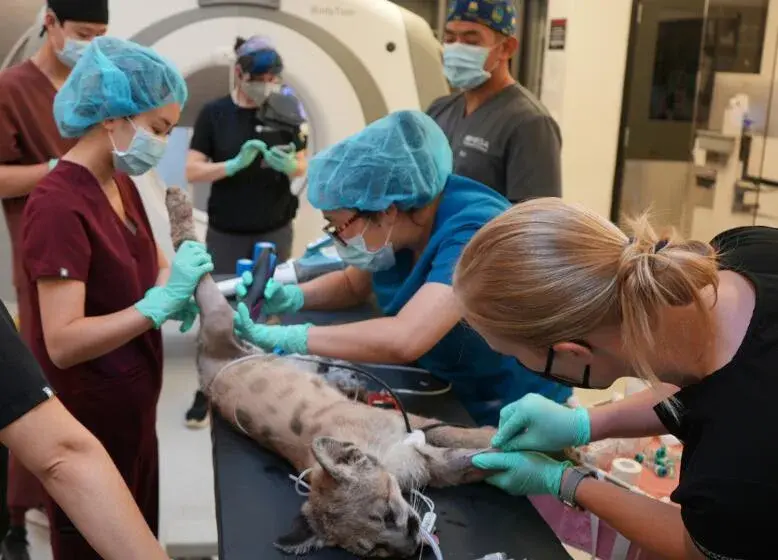
Crimson was initially taken to the Los Angeles Zoo for emergency care before being transported to Oakland Zoo for specialized veterinary treatment. His caregivers faced an enormous challenge because such a young mountain lion needs frequent feeding, warmth, monitoring, and protection while developing. Staff bottle-fed him every three hours and worked to provide some of the care and enrichment he'd ordinarily receive from his mother.
Veterinarians also had to address the serious injury to his hind foot. They tried bandaging and bracing techniques to preserve the limb as Crimson grew, but the foot couldn't bear weight properly. Despite months of effort, saving the injured leg wasn't producing the results needed for his long-term comfort and mobility.
Why Did Crimson Need a Leg Amputation?
The decision to amputate Crimson's injured hind leg wasn't made lightly. His veterinary team had explored other options, but the damaged foot remained a significant problem as he became larger and more active. Removing the affected limb offered him a better chance of moving comfortably and enjoying a good quality of life.
The surgery was successful, and Crimson showed encouraging signs of recovery. He returned to the curious, energetic behavior expected of a growing mountain lion cub, demonstrating that he could adapt to moving on three legs. His recovery doesn't mean he'll never face physical limitations, but it shows why disability alone shouldn't determine an animal's future.
Can a Three-Legged Mountain Lion Live a Good Life?

Crimson's experience shows that a wild animal with a disability can thrive when its environment and care meet its needs. He can explore, run, and investigate his surroundings, although climbing ability and speed may be affected. His caregivers can accommodate these limitations through thoughtful habitat design, ongoing veterinary attention, and enrichment that encourages natural behaviors.
Returning Crimson to the wild wasn't considered a responsible option. Mountain lion cubs ordinarily remain with their mothers for approximately 12 to 18 months, learning to hunt, navigate their environment, and survive independently. Because Crimson lost maternal care so early and suffered a serious injury, wildlife officials determined that he needed permanent sanctuary care.
Where Is Crimson the Mountain Lion Now?
Crimson's permanent home is Turpentine Creek Wildlife Refuge in Eureka Springs, Arkansas. The refuge provides lifelong care for rescued big cats and other wild animals who cannot safely return to the wild. Its staff can monitor his health, provide appropriate food and enrichment, and maintain a habitat designed around his individual mobility needs.
Reports published in October 2026 describe Crimson adjusting well to his new surroundings. He has shown an interest in other mountain lions nearby, including a female named Lucy, and enjoys interacting with the people who care for him. Although his life will be different from that of a wild mountain lion, he now has the opportunity to grow in a protected environment with specialized lifelong care.
What Crimson's Rescue Teaches Us About Wildlife Conservation
Wildlife rescue isn't always about releasing an animal back into nature. Sometimes an animal is too young, injured, or otherwise unable to develop the skills needed to survive independently. In those circumstances, qualified wildlife professionals must weigh the animal's welfare against the risks of release and determine whether a permanent sanctuary is the most humane solution.
Crimson's story also highlights the importance of protecting wild animals in their natural habitats. Mountain lions face pressures associated with habitat fragmentation, development, and encounters with people. Rescue teams are essential when emergencies happen, but protecting wildlife also means reducing the threats that leave animals injured, orphaned, or displaced in the first place.
What Crimson's Story Says About Animal Compassion
An animal doesn't have to be physically perfect to deserve a chance at life. Crimson's missing toes, amputated leg, and inability to return to the wild don't make him less deserving of comfort, protection, or compassionate care. His story reflects a principle that applies equally to injured wildlife, abandoned kittens, senior pets, and animals living with disabilities.
For those who view nature as God's creation, animal welfare is also a matter of stewardship. Proverbs 12:10 in the King James Version says, “A righteous man regardeth the life of his beast.” Compassion means recognizing the needs of vulnerable creatures and accepting the responsibility to care for them, even when doing so requires considerable time, skill, and sacrifice.
How Cattytude Supports Animal Rescue and Wildlife Conservation
Cattytude believes animal welfare deserves more than a moment of attention when an emotional rescue story appears online. Domestic cats, wild cats, birds of prey, and other vulnerable animals all depend on people who are willing to protect them. Rescue organizations and sanctuaries provide essential care, but their work relies on resources, dedicated staff, volunteers, and people who recognize the importance of their mission.
Cattytude contributes to animal-related causes through its commitment to direct 10% of every sale toward its giving mission. Supported causes include wildlife conservation and animal welfare, reflecting the belief that caring for animals should be part of everyday life. Crimson's story is a reminder that meaningful change often begins when people choose to support those doing the difficult work of protecting vulnerable animals.
Animal Organizations Cattytude Supports
Alley Cat Allies
Alley Cat Allies advocates for humane treatment of cats, including community cats who live outdoors. Its work includes promoting Trap-Neuter-Return, improving shelter practices, and encouraging policies that protect cats. Its mission recognizes that cats need responsible, humane care whether they live in a home or depend on a community.
Bear Creek Exotic Wildlife Sanctuary
Bear Creek Exotic Wildlife Sanctuary provides care for exotic animals in need of a safe and appropriate environment. Sanctuary work can involve animals who have experienced neglect, unsuitable living conditions, or circumstances that prevent them from returning to their previous lives. Such facilities demonstrate the importance of providing long-term care tailored to each animal's needs.
Big Cat Rescue
Big Cat Rescue has been known for its work in big cat rescue, public education, and advocacy against the exploitation of wild cats. Its former Florida sanctuary closed to visitors in 2024 as the organization transitioned its operations. Its history remains part of the broader movement to improve the treatment of captive wild cats and reduce practices that put them at risk.
Carson Springs Wildlife Conservation Federation
Carson Springs Wildlife Conservation Federation focuses on wildlife conservation, education, and animal care. Its work helps people learn about wildlife and the importance of protecting species and their natural habitats. Conservation education is an important part of encouraging responsible attitudes toward animals and the environments they depend on.
Majestic Raptor Rehab
Majestic Raptor Rehab is based in Canora, Saskatchewan, and works with injured and orphaned birds of prey. Raptors require specialized care because their ability to fly, hunt, and survive independently can depend on successful rehabilitation. Where recovery allows, the goal is to give these birds an opportunity to return to their natural environment.
Mozart SymPAWthy Animal Sanctuary
Mozart SymPAWthy Animal Sanctuary is a Saskatchewan animal charity that helps unwanted and abandoned animals, including cats and dogs. Its work depends on practical support, donations, veterinary attention, and people willing to help animals in need. Community-based rescue efforts are vital because they provide help to vulnerable animals who might otherwise have nowhere to go.
National Tiger Sanctuary
National Tiger Sanctuary provides care for rescued exotic and domestic animals while promoting wildlife education and conservation awareness. Its work highlights the long-term commitment involved in caring for animals who cannot safely return to the wild. Appropriate habitats, veterinary attention, and enrichment are essential to responsible sanctuary care.
Panthera
Panthera focuses on conserving the world's wild cat species and the ecosystems they depend on. Its work includes scientific research, habitat protection, anti-poaching efforts, and measures to reduce threats to wild cats and their prey. Protecting wild cats requires action in their natural habitats as well as efforts to address the pressures that threaten their survival.
Rebel Cat Rescue
Rebel Cat Rescue represents the local cat rescue work Cattytude supports in Saskatchewan. Community rescue organizations help cats affected by abandonment, neglect, and difficult living conditions. Their efforts depend on people willing to provide practical assistance, foster animals, donate supplies, and help responsible adoption efforts reach the right homes.
The Wildcat Sanctuary
The Wildcat Sanctuary provides lifelong refuge for wild cats who have experienced exploitation, neglect, or unsuitable captive conditions. Located in Minnesota, it offers habitats designed around the animals' needs while educating the public about problems associated with the captive wildlife trade. Its work emphasizes dignity, appropriate care, and the importance of protecting wild animals from exploitation.
Frequently Asked Questions About Crimson the Mountain Lion
Was Crimson really abandoned by his mother?
Yes. Wildlife biologists monitored Crimson and used his mother's tracking data and camera observations to determine that she had moved to another den site and was no longer returning to care for him. Because he was only three weeks old and his condition was deteriorating, wildlife officials intervened.
How old was Crimson when he was rescued?
Crimson was approximately three weeks old when he was rescued in March 2026. He was too young to survive without maternal care and needed intensive veterinary treatment and frequent bottle-feeding.
Why was Crimson's leg amputated?
Crimson had missing toes and a serious injury to one hind foot. After months of treatment, bandaging, and bracing, his foot couldn't bear weight properly, so veterinarians determined that amputation offered the best chance of long-term comfort and mobility.
Can a mountain lion survive with three legs?
Crimson's recovery shows that a mountain lion can adapt to life on three legs when its care and environment meet its needs. He may experience limitations with climbing or speed, but his habitat can be designed to support his mobility and encourage natural behaviors.
Where does Crimson live now?
Crimson's permanent home is Turpentine Creek Wildlife Refuge in Eureka Springs, Arkansas. The refuge provides lifelong sanctuary for rescued wild animals and has the staff and facilities to support his ongoing care.
Why can't Crimson return to the wild?
Mountain lion cubs normally spend many months learning survival skills from their mothers. Because Crimson was rescued at only three weeks old and suffered a serious injury, wildlife officials determined that he couldn't be successfully released into the wild.
What can people learn from Crimson's story?
Crimson's story shows that a serious injury doesn't mean an animal's life is over. Appropriate veterinary care, a suitable environment, and long-term protection can give vulnerable animals a chance to thrive. His recovery also highlights the importance of professional wildlife rescue and responsible sanctuary care.
How does Cattytude support animal welfare?
Cattytude directs 10% of every sale toward its giving mission, supporting animal-related causes that include wildlife conservation and animal welfare. This connects everyday purchases with efforts to protect animals and support the people and organizations working on their behalf.
References
Final Thought
Crimson's story began with a tiny cub who had lost the care he needed and faced a serious injury before he'd even had a chance to grow. It could have ended very differently, but wildlife professionals intervened, veterinarians made difficult decisions, and a sanctuary provided a future. His life on three legs is a reminder that compassion isn't about making every animal perfect. It's about giving each one the best possible chance to live.
Crimson the mountain lion cub, mountain lion cub rescue, three-legged mountain lion, abandoned mountain lion, cougar rescue, wildlife rescue, wildlife rehabilitation, mountain lion amputation, injured wildlife, big cat conservation, wild cat protection, animal sanctuary, wildlife sanctuary, Turpentine Creek Wildlife Refuge, animal welfare, animal rescue stories, wildlife conservation, cougar cub, disabled animals, animal compassion, animal stewardship, wildlife education, protect wild cats, animal rehabilitation, rescued mountain lion, Arkansas wildlife refuge, animal rescue organizations, big cat rescue, Cattytude, animal protection.
#CrimsonTheMountainLion #MountainLion #Cougar #MountainLionCub #WildlifeRescue #WildlifeConservation #BigCatConservation #WildCatProtection #AnimalRescue #AnimalWelfare #WildlifeSanctuary #AnimalSanctuary #ThreeLeggedMountainLion #RescueStory #SecondChanceAtLife #WildlifeRehabilitation #ProtectWildlife #InjuredWildlife #AnimalCompassion #AnimalStewardship #WildlifeEducation #CougarRescue #BigCats #NatureConservation #ArkansasWildlife #TurpentineCreek #FaithAndAnimals #CareForCreation #Cattytude #MeowAndAmen


Comments