
Complete Guide to Homemade Cat Food

Recipes for Every Life Stage from Kitten to Geriatric
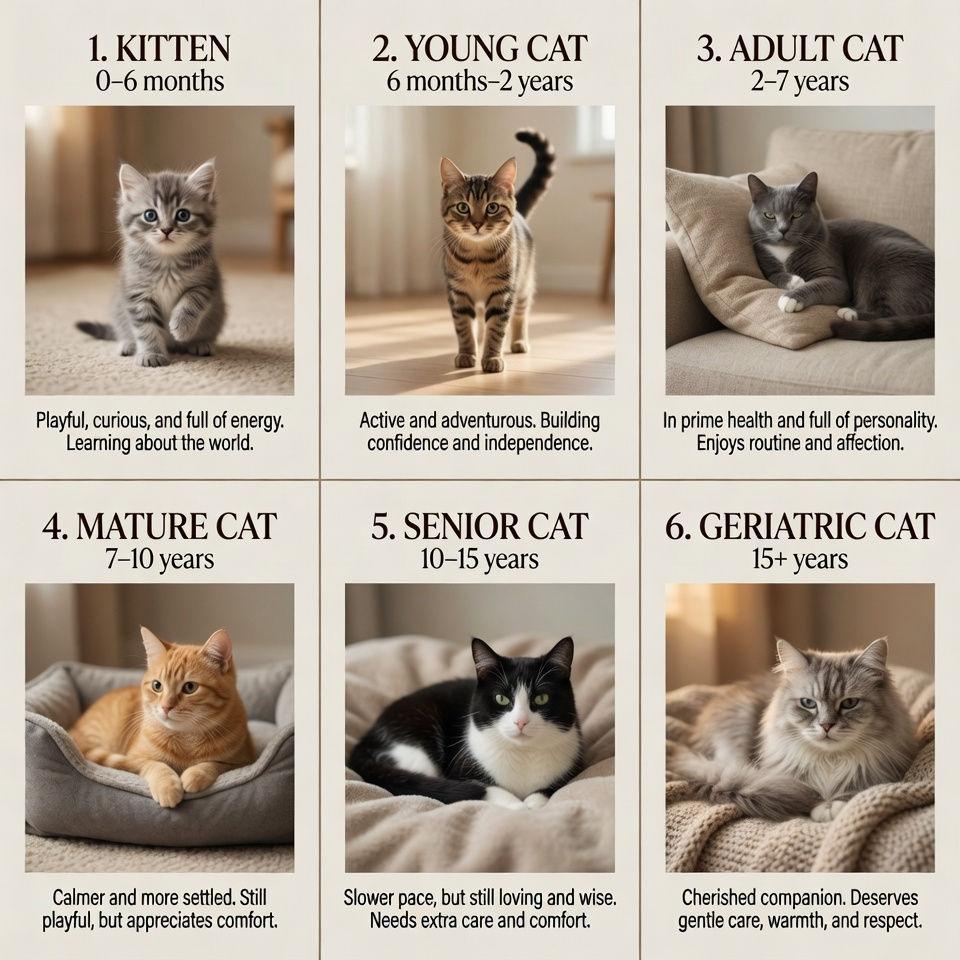
Homemade cat food gives you full control over what goes into your cat’s bowl. You choose fresh animal proteins, proper calcium sources, and essential nutrients like taurine instead of relying on heavily processed commercial products. This guide covers the science of feline nutrition, the shortcomings of many big-brand foods, clear reasons why vegan diets have no place in a cat’s life, detailed recipes for kittens through geriatric cats, preparation methods, safety rules, a resources list, and FAQs. Everything here prioritizes species-appropriate feeding based on a cat’s biology as an obligate carnivore.
Cats thrive on diets high in animal protein, moderate fat, very low carbohydrates, and high moisture. Their natural prey is roughly 70 to 75 percent water, high in protein, and nearly free of plant material. Homemade food can closely match that profile when formulated correctly. Always work with a veterinarian, ideally one familiar with feline nutrition, before switching diets, especially for cats with health conditions. Homemade diets require careful balancing of calcium, phosphorus, taurine, and other nutrients to avoid deficiencies or excesses.
The Problems with Most Commercial Cat Foods
Many large commercial brands rely on cheap fillers to keep costs low and profits high. Ingredients such as corn, corn gluten meal, wheat, wheat gluten, soy, and powdered cellulose appear frequently. These plant materials bulk up the food and artificially inflate protein percentages on labels, yet they offer lower biological value than animal proteins. Cats have short digestive tracts and limited ability to process starches and plant proteins efficiently. High-carbohydrate dry foods (often 30 to 50 percent of calories from carbs) contribute to blood sugar spikes, excess weight, and conditions like diabetes.
By-products and unnamed meat meals are common. While some animal by-products can be nutritious, many come from lower-quality sources and are paired with the fillers listed above. Dry kibble is especially problematic because of its low moisture content (typically 5 to 10 percent). Cats have a low thirst drive and evolved to get most of their water from food. Chronic low water intake is linked to urinary tract issues, including crystals, inflammation, and obstruction, particularly in males.
Marketing language compounds the issue. Labels frequently claim “all natural,” “premium,” or “holistic.” These terms are poorly regulated. “Natural” does not prohibit synthetic vitamins, chemical preservatives, or heavily processed ingredients. Many products that advertise natural ingredients still rely on plant fillers and synthetic supplementation to meet minimum nutrient profiles. This is often false advertising in spirit even if it skirts legal definitions. Consumers pay more for the story while the actual formulation prioritizes shelf stability and cost over species-appropriate nutrition.
Canned foods are generally better than dry because of higher moisture, but many still contain thickeners, plant proteins, and unnecessary carbohydrates. Prescription diets marketed for urinary or kidney support frequently include high levels of plant ingredients and may not represent the best long-term option for every cat. Reading labels carefully and calculating dry-matter nutrient percentages helps, yet the simplest way to avoid these problems is to prepare food yourself using known animal ingredients.
Top commercial brands to avoid: https://savingninelives.com/cat-food-brands-to-avoid/
Why Vegan Diets Don't Work for Cats

Cats are obligate carnivores. Their anatomy, metabolism, and genetics require nutrients that come reliably from animal tissue. Projecting human vegan ideology onto cats ignores their evolutionary biology and creates serious health risks. Dogs are omnivores with more flexibility; cats are not. Feeding a vegan or vegetarian diet, even with supplements, fails to meet their needs consistently and ethically.
Key nutrients cats cannot adequately obtain or synthesize from plants include:
Taurine: An essential amino acid abundant in meat and seafood. Cats have limited ability to convert other amino acids into taurine. Deficiency causes dilated cardiomyopathy (a form of heart muscle disease that can be fatal), retinal degeneration leading to blindness, and reproductive problems. Historical outbreaks of taurine-deficiency cardiomyopathy in the 1970s and 1980s were linked to commercial foods low in bioavailable taurine; reformulation largely eliminated the problem in properly made commercial diets. Homemade and plant-based diets remain high-risk without precise supplementation.
Arachidonic acid: An essential fatty acid found primarily in animal fats. Cats cannot convert plant linoleic acid into arachidonic acid efficiently.
Preformed vitamin A: Cats cannot convert beta-carotene from plants into usable vitamin A the way many other species can. They require animal sources (liver, for example).
Vitamin B12 and certain other B vitamins: Reliably present in animal tissues; plant sources are inadequate or poorly absorbed.
High-quality, highly digestible animal protein: Adult cats need roughly twice the protein of dogs on a dry-matter basis (AAFCO minimum 26 percent for adult maintenance versus 18 percent for dogs; 30 percent for growth and reproduction). Plant proteins often lack the complete amino-acid profile and digestibility cats require.
Anatomical evidence supports this. Cats possess sharp, shearing teeth designed for eating meat, unlike flat molars meant for grinding plants. Their intestinal tract is relatively short, with an approximate 4:1 intestine-to-body-length ratio, compared to the longer tracts found in omnivores, and is optimized for the quick digestion of animal tissue rather than fibrous plant material. Additionally, they produce limited amounts of amylase for breaking down starch.
The ASPCA states clearly that a vegan diet is not appropriate for cats at all. Their digestive systems and metabolism are adapted to meat. PetMD and numerous veterinary sources echo this: plant-based diets put cats at risk for protein deficiency, heart disease, vision loss, skin and coat problems, poor growth, and neurologic issues. Owner-reported surveys sometimes claim neutral or positive outcomes, but these are subjective, lack objective bloodwork or echocardiography, and do not override the biological requirements documented by veterinary nutrition science.
Documented proof is straightforward. Taurine deficiency cardiomyopathy was a recognized clinical entity in cats before commercial foods were routinely supplemented. Retinal degeneration from the same deficiency is also well established. No stage of life (kitten, adult, senior, or geriatric) changes the fundamental requirement for animal-sourced nutrients. Kittens need even higher nutrient density for growth; seniors need high-quality protein to combat age-related muscle loss. A vegan diet fails both ends of the spectrum and every point in between. Cats should not be made victims of human dietary ideology.
Nutritional Needs Across Life Stages
AAFCO provides nutrient profiles for growth/reproduction and adult maintenance. The National Research Council (NRC) offers additional detailed recommendations. There is no separate official AAFCO profile for senior or geriatric cats, so practical adjustments are based on clinical observation and guidelines from groups such as the American Association of Feline Practitioners (AAFP).
Kittens (birth to 12 months, growth stage)
Higher energy density, protein (minimum 30 percent dry matter), fat, calcium, and phosphorus for rapid bone and muscle growth. DHA supports brain and eye development. Frequent small meals. Calcium-to-phosphorus ratio must stay balanced (roughly 1:1 to 1.2:1) to support skeletal development without excess.
Adult (1 to 7–10 years, maintenance)
Protein minimum 26 percent dry matter, fat around 9 percent. Focus on high animal protein, low carbohydrates (ideally under 10 percent of calories), high moisture. Maintain ideal body condition.
Mature adult and senior (roughly 10+ years)
Many cats benefit from protein levels of 30 to 45 percent dry matter to help preserve lean muscle mass. Calorie needs may decrease with lower activity, but some older cats actually need more calories to maintain weight. Phosphorus may need monitoring or modest restriction if early kidney changes appear, yet healthy seniors should not be routinely protein-restricted. Hydration remains critical. Omega-3 fatty acids support joints and skin.
Geriatric (roughly 15+ years)
Prioritize highly digestible animal proteins, high moisture, and calorie density appropriate to body condition. Soft textures help if dental disease is present. Continue high-quality protein unless a veterinarian diagnoses advanced kidney disease requiring specific phosphorus control. Muscle loss (sarcopenia) is common; inadequate protein accelerates it.
In all stages, the core remains the same: animal muscle meat, organs in limited amounts, a proper calcium source, taurine, and supportive vitamins and fatty acids. Vegetables, fruits, and grains are unnecessary for healthy cats.
Core Principles of Balanced Homemade Cat Food
A workable homemade diet centers on:
Muscle meat (chicken, turkey, rabbit, beef, limited fish) as the bulk.
Liver (about 5 percent or less of the total to avoid vitamin A excess).
Heart or supplemental taurine
Bone or a calcium source (ground bone is ideal; bone meal or eggshell powder as alternatives) to balance the high phosphorus in meat.
Egg yolks (optional, for additional nutrients)
Fish oil or other marine omega-3 sources (not cod liver oil)
B-complex
Vitamin E
Small amount of iodized salt or potassium source
Water to raise moisture content
Recipes based on the long-used approach from veterinary sources such as Dr. Lisa Pierson emphasize partial cooking of poultry for safety while retaining nutritional quality, or carefully sourced raw when appropriate. Always calculate or follow tested proportions so the calcium-to-phosphorus ratio stays appropriate. Meat alone is dangerously high in phosphorus and low in calcium.
Simple Recipes for Every Stage
These recipes stay practical. They use everyday grocery ingredients and rely on heart as the main natural source of taurine. No powders are required when heart is included in good quantity, and the food stays mostly meat, bone, and a little liver.
Feed about 4 to 6 ounces per day for an average adult cat. Adjust for size, age, and activity. Weigh your cat regularly and change the amount as needed.
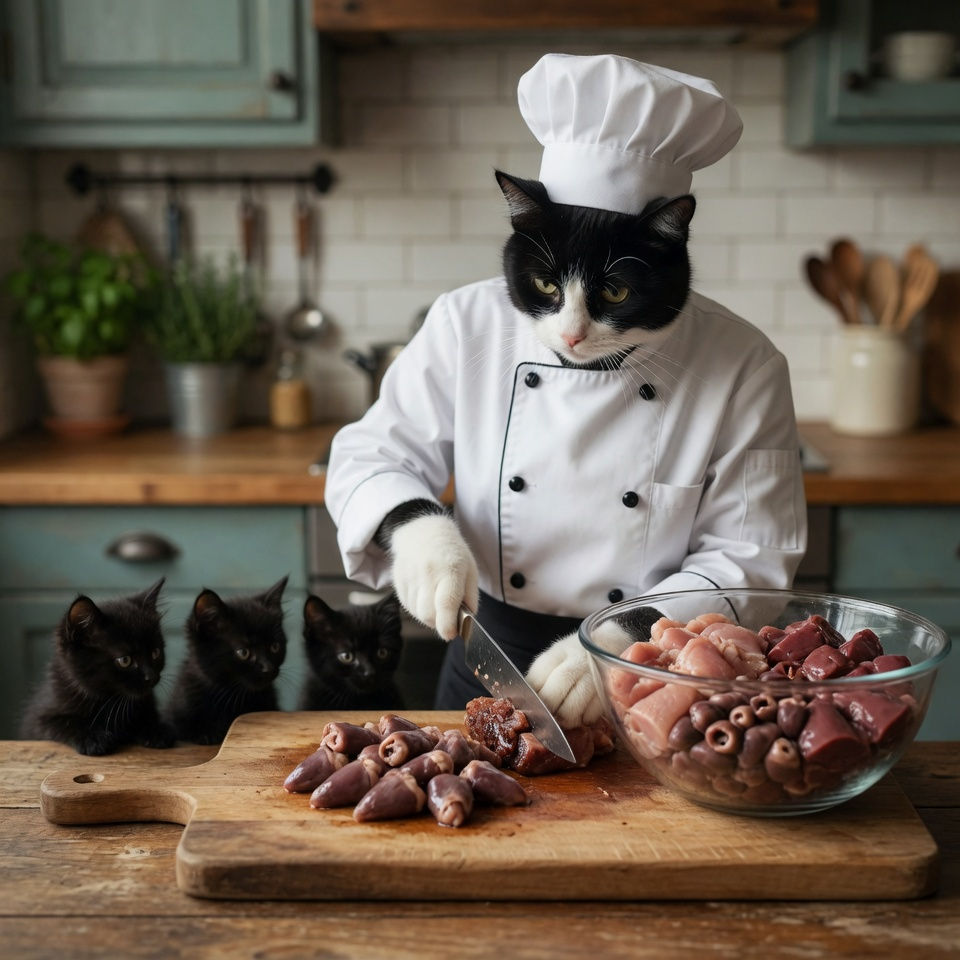
Basic rules for all recipes: Use mostly muscle meat plus a generous amount of heart. Add a little liver. Include some bone for calcium. Bone-in cuts work well. If the meat is boneless, finely grind a small amount of bone. Keep the food raw when practical, or lightly cook only the outside of poultry if you prefer extra safety. Chop or grind so everything mixes evenly. Portion into daily amounts and freeze. Thaw in the fridge. Rotate proteins for variety.
Poultry recipe
2 pounds chicken or turkey thighs (bone-in preferred)
1 pound chicken or turkey hearts
3 to 4 ounces chicken or turkey liver
Rinse the meat. Chop or grind the thighs (bone included), hearts, and liver together until well mixed. Divide into meal-sized portions and freeze. Thaw as needed and serve at room temperature or slightly warmed.
Beef recipe
2 pounds beef with some fat
1 pound beef heart
3 to 4 ounces beef liver
A small amount of finely ground bone if the beef is boneless
Chop or grind everything together. Mix well, portion, and freeze the same way as the poultry recipe.
Kitten variation: Use any of the recipes above. Divide the daily amount into three or four smaller meals. Growing kittens need more frequent feeding and often a higher total amount. Keep the heart portion strong and watch weight gain.
Senior and geriatric variation: Use the same chicken, turkey, or beef recipes. Make the grind finer if chewing is difficult. Add a splash of water for extra moisture if desired. Continue the high heart content. Older cats still need solid animal protein to help maintain muscle.
Preparation, Storage, and Transition
Work with cold ingredients. Mix thoroughly so the liver and bone are evenly distributed. Freeze in small containers. Thaw only what you need for the next day or two. Do not leave food sitting out for long.
When switching, mix a small amount of the new food into the current food. Increase the new food slowly over several days. Some cats accept the change quickly. Others need more time. Watch stool quality and appetite during the switch.
Monitoring Your Cat
Check weight, coat condition, energy level, and litter box habits. Annual or semi-annual veterinary visits with bloodwork help catch issues early. Kittens and seniors may need more frequent checks. Contact your veterinarian if you notice lethargy, poor appetite, weight loss, or other changes.

Resources
CatInfo.org (veterinary guidance on feline nutrition and homemade food)
AAFCO.org (official nutrient profiles)
ASPCA.org (why vegan diets are not appropriate for cats)
PetMD.com (obligate carnivore requirements and risks of plant-based diets)
CatVets.com (American Association of Feline Practitioners senior care guidelines)
Limit use to one primary link per organization as listed. These sources provide evidence-based starting points; individual cats still need personalized veterinary oversight.
Frequently Asked Questions
Is homemade cat food safe?
Yes, when balanced for calcium, phosphorus, taurine, and other nutrients and prepared with good hygiene. Unbalanced recipes cause deficiencies or excesses. Veterinary guidance is strongly recommended.
Can I feed a raw diet?
Some cats do well on carefully sourced and handled raw food. Poultry carries higher bacterial risk; partial cooking of surface areas is a common compromise. Discuss risks with your veterinarian, especially in households with immunocompromised people.
How much should I feed?
Start with 4–6 ounces of the finished food per day for an average adult cat and adjust according to body condition. Kittens need more frequent feeding and higher total calories relative to size. Weigh the cat regularly.
Do cats need vegetables?
No. Healthy cats have no dietary requirement for plant matter. Small amounts of certain cooked vegetables are sometimes added for fiber in constipated cats, but they are not essential.
What about senior cats with kidney disease?
Advanced kidney disease often requires phosphorus control and other modifications. Do not use a standard high-bone recipe without veterinary and preferably veterinary nutritionist input. High-quality protein is still important; arbitrary protein restriction can worsen muscle loss.
Is fish okay every day?
No. Rotate proteins and limit fish to occasional meals because of potential nutrient imbalances and contaminant concerns.
How long does homemade food last?
Frozen portions keep for several months. Thawed food should be used within 48–72 hours, refrigerated. Discard if it smells off or shows freezer burn that cannot be rinsed.
Can kittens eat the adult recipe?
With attention to higher energy needs, frequent meals, and proper calcium balance, yes. Growth requires careful monitoring.
Why do some commercial foods still cause problems if they meet AAFCO?
AAFCO sets minimums, not optimal species-appropriate profiles. High plant content, low moisture, and processing can still produce less-than-ideal outcomes for many cats even when the numbers on paper are met.
Should I add extra supplements beyond the recipe?
Only under veterinary direction. Excess vitamin A from too much liver, excess calcium, or unbalanced minerals create their own problems.
Homemade cat food, when done carefully, aligns with a cat’s obligate carnivore biology far better than most mass-market products filled with cheap plant fillers and propped up by vague “natural” marketing. From the rapid growth of kittens to the muscle preservation needs of geriatric cats, the foundation remains animal-sourced protein, proper mineral balance, taurine, and high moisture.
Avoid vegan experiments entirely; the documented risks to heart, eyes, and overall health are too high. Work with your veterinarian, measure ingredients, monitor your cat, and you can provide a high-quality diet tailored to every stage of life.


Comments