
Big Cat Rescue: History, Mission and Conservation Impact


Big Cat Rescue is one of the most important organizations in the modern history of wild cat protection in the United States. From its accidental start in 1992 with a single bobcat named Windsong to its role as a leading force behind the Big Cat Public Safety Act of 2022 and its current focus on funding worldwide in-situ conservation projects, Big Cat Rescue has shaped both captive animal welfare and wild cat survival.
This comprehensive guide covers the full Big Cat Rescue history, detailed rescue stories, the legislative campaign that ended private big cat ownership, the 2023 relocation of cats to Turpentine Creek Wildlife Refuge, specific conservation grants, and the role of supporters such as Cattytude. Readers searching for accurate information on Big Cat Rescue, Carole Baskin, the Big Cat Public Safety Act impact, or how to support wild cat conservation will find verified details, timelines, and actionable ways to help.
1992 Origins of Big Cat Rescue and Rescue of Windsong

Big Cat Rescue began not as a planned sanctuary but as a personal response to animal suffering. In 1992, Carole Baskin, then known as Carole Lewis, and her husband Don Lewis attended an exotic animal auction in Florida while looking at llamas. A man appeared with a frightened six-month-old bobcat on a leash. The animal had been kept as a pet until the owner’s wife no longer wanted her. The couple took the bobcat home and named her Windsong.
Windsong rejected Don Lewis. In 1993, the couple drove to Minnesota intending to buy a few bobcat or lynx kittens as companions. They discovered a fur farm instead. The facility raised cats mainly for their pelts. Cages held layers of fur and feces several inches deep. Rather than select a few kittens and leave the rest to be killed, the Lewises purchased all 56 remaining bobcats, Canada lynx, and Siberian lynx. They later arranged to take additional cats on the condition that the farmer stop producing cats for the fur trade.
The animals first lived at the family home. The couple then moved them to a roughly 40-acre property they owned near Tampa at the end of Easy Street. That site became the original location of Wildlife on Easy Street, later renamed Big Cat Rescue. Early work involved building enclosures by hand, treating sick and stressed animals, and learning the complex needs of wild cats in captivity. Windsong lived to age 19 and became a symbol of the sanctuary’s beginnings.
In the first years, the founders believed that breeding and placing cats in private homes might help preserve species. Experience quickly proved otherwise. Animals returned when they grew large, sprayed, or became dangerous. Owners abandoned commitments. The commercial trade continued to produce more discarded cats.
Intentional breeding ended by 1997. The last accidental birth of a small cat occurred in 2001. From that point, Big Cat Rescue focused exclusively on rescue, lifetime care, public education, and ending the demand that created the problem.
Growth of the Big Cat Rescue Sanctuary and Accreditation
By the early 2000s, the organization operated as Big Cat Rescue Corp., a 501(c)(3) nonprofit. At various times it housed one of the most diverse groups of exotic cats in the United States, including tigers, lions, leopards, cougars, bobcats, lynx, ocelots, servals, caracals, and hybrids. Many animals arrived from the private pet trade, roadside zoos, circuses, or failed private collections.
Big Cat Rescue earned accreditation from the Global Federation of Animal Sanctuaries and maintained high Charity Navigator ratings for financial health, accountability, and transparency for many consecutive years.
Public tours educated visitors about the realities of captivity. Night tours, feeding tours, and other programs allowed people to see the animals while learning why wild cats do not belong in private homes or entertainment acts. The sanctuary also rehabilitated native Florida bobcats whenever possible and released those that could survive in the wild. Over the years, Big Cat Rescue took in more than 230 exotic cats and successfully released dozens of native bobcats.
Big Cat Rescue Stories Illustrating the Need for Change
Individual animal stories reveal the patterns of abuse and neglect that Big Cat Rescue works to stop. Aria the tiger arrived with open wounds on her shoulders and hips caused by years of standing on urine-soaked compacted dirt in a small enclosure. After months of medical treatment and surgeries, she recovered and thrived in a larger habitat.
In 2015, Big Cat Rescue received three female tigers named Dutchess, Jasmine, and Sapphire along with a black leopard named Jinx. These animals had been seized from an Ohio roadside zoo. Legal battles delayed permanent placement until 2019. The cats lived at Big Cat Rescue under temporary restrictions that limited public discussion of their cases for years.
Bobcat stories also stand out. Bailey the bobcat was found as a feral kitten after a hawk attacked her. A woman rescued her, but the local shelter planned to hold the animal for rabies observation. Big Cat Rescue staff identified the kitten as a bobcat and brought her into care. Bailey lived at the sanctuary for many years. Other bobcats such as those displaced by land clearing in South Florida arrived as orphaned litters and received specialized rehabilitation.
Older residents demonstrated the value of long-term sanctuary care. Some cats reached ages rarely seen in the wild for their species. A cougar lived to 29. A leopard reached 25. Servals set longevity records. These outcomes resulted from consistent veterinary attention, proper diets, enrichment, and freedom from commercial exploitation.
Advocacy Work and the Path to the Big Cat Public Safety Act
Rescue alone could never solve the problem of an industry that continued to breed and discard animals. Big Cat Rescue therefore invested heavily in education, documentation of harmful practices, and legislative advocacy. Campaigns targeted cub-petting operations that removed infants from mothers for public handling. The organization filed reports with the USDA and U.S. Fish and Wildlife Service about substandard facilities. Grassroots supporters contacted malls, fairs, and corporations. More than 200 venues eventually stopped hosting traveling exhibits that featured cub handling or public contact with big cats.
The centerpiece of this work was the Big Cat Public Safety Act. Big Cat Rescue and partner groups pursued versions of the legislation for more than two decades. On December 20, 2022, the bill became federal law. It prohibits private individuals from owning big cats, including lions, tigers, leopards, jaguars, cougars, and their hybrids.
It also bans public contact with big cats and their cubs nationwide. Existing private owners may keep their animals under specific conditions but may not breed or acquire new ones. The law closed the primary economic drivers of the cub-petting trade and the backyard big cat problem that had generated so many animals in need of rescue.
After the law took effect, the number of big cats requiring sanctuary placement dropped sharply. By 2023, the resident population at Big Cat Rescue had fallen to approximately 33 animals. The organization had long stated that its ultimate goal was to put itself out of the rescue business by eliminating the conditions that created the need for large-scale sanctuaries.
2023 Relocation to Turpentine Creek Wildlife Refuge and the Sale of the Florida Property
With fewer animals needing placement and the core legislative goal achieved, Big Cat Rescue executed a planned transition. In 2023, the remaining cats moved to Turpentine Creek Wildlife Refuge in Eureka Springs, Arkansas, an accredited sanctuary with substantially more space. Big Cat Rescue invested nearly two million dollars to construct larger and more naturalistic enclosures known as Freedom Field. The organization continues to fund the food and veterinary care of those cats for the rest of their lives.
The Florida property of approximately 67 acres was sold in late 2024 and early 2025 for roughly 20 million dollars. Proceeds created a long-term fund for the relocated cats and dramatically increased capacity for global conservation grants. Headquarters remain in Odessa, Florida, but no cats live at that address. The physical sanctuary phase ended because the legal and cultural landscape had changed.
Big Cat Rescue's Focus on In-Situ Wild Cat Conservation
Big Cat Rescue now prioritizes projects that protect wild cats in their natural habitats. These efforts address poaching, trafficking, habitat loss, bushmeat hunting, and human-wildlife conflict. Recent funding examples include support for predator-proof livestock enclosures, solar-powered lighting to reduce nighttime encounters between people and tigers, community education programs, alternative livelihood projects, and scientific monitoring.
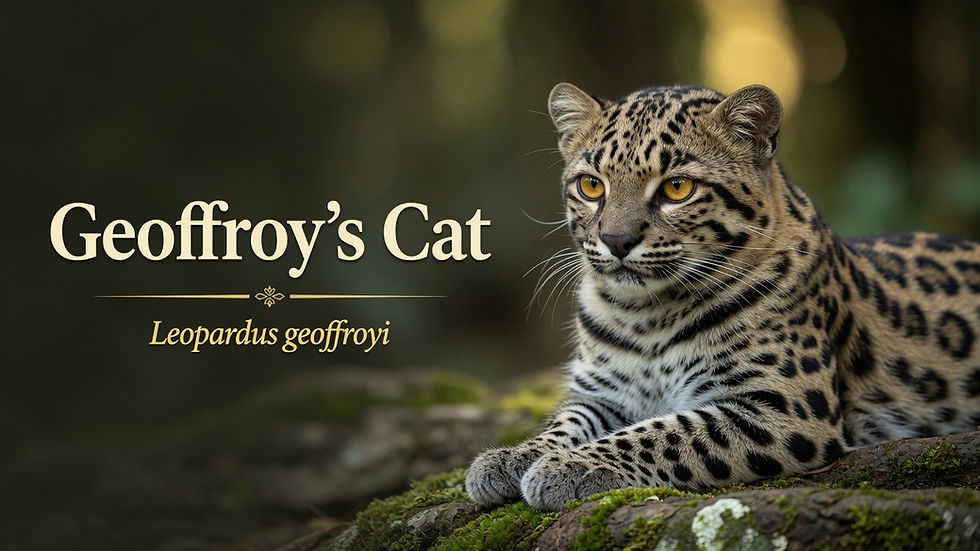
In 2024 and 2025, the organization funded work across Latin America, Africa, and Asia. Specific grants supported puma conflict mitigation technology in Patagonia, solar lighting projects near tiger habitat in India, ocelot disease prevention programs in Mexico through spay and neuter of free-roaming dogs, cheetah conservation workshops in Kenya, and multiple small wild cat initiatives involving species such as Geoffroy’s cats, Pampas cats, and African golden cats.
In 2025, Big Cat Rescue donated hundreds of thousands of dollars and has set a goal of reaching one million in annual conservation funding through careful investment of the land sale proceeds. An international conference of working group leaders is planned to share successful strategies.
The organization emphasizes support for less-funded small wild cat species that often receive less attention than the large iconic cats. This approach multiplies impact for vulnerable populations facing extinction pressures.
Cattytude Encourages Supporting Big Cat Rescue

Mission-aligned businesses amplify conservation results. Cattytude is a brand that creates cat-themed apparel, gifts, and gear. It donates 10 percent of every sale to this and three other conservation specialists who protect wild cats and related wildlife:
Big Cat Rescue: The organization detailed in this guide now focuses on global in-situ projects and lifetime care for cats at Turpentine Creek Wildlife Refuge.
Carson Springs Wildlife Conservation Foundation: This Florida nonprofit operates a large educational sanctuary for rescued exotic animals and emphasizes high welfare standards and public education.
Panthera: Panthera is the leading global organization dedicated exclusively to the conservation of all 40 wild cat species and their ecosystems. It works on tigers, lions, jaguars, snow leopards, pumas, leopards, cheetahs, and many small cats through science, community partnerships, anti-poaching efforts, and habitat protection in dozens of countries.
National Tiger Sanctuary: This Missouri nonprofit provides lifelong care for rescued big cats and other animals while offering educational experiences that connect visitors with conservation.

Purchases from Cattytude simultaneously support all four causes. This model converts everyday consumer choices into ongoing funding for rescue, sanctuary care, scientific research, and habitat protection. It demonstrates how commercial activity can align directly with wild cat conservation outcomes.
Cattytude also encourages customers to show respect for all wildlife by choosing prints from ethical, made-to-order sources. This approach rejects the waste of mass production and stands against any practice that kills animals simply for their body parts. In the 21st century, there is no justification for treating animals as raw materials.
Other Ways You Can Support Big Cat Rescue and Wild Cat Protection
Support takes many practical forms. Direct donations to Big Cat Rescue fund conservation grants and the ongoing care of relocated cats. 100% of donations go to program work because investment income covers modest overhead. Sharing accurate information counters myths about private ownership and cub handling.
Supporting strong wildlife legislation multiplies individual impact. Choosing tourism operators and products that reject animal exploitation reduces harmful demand. Visiting accredited facilities such as Turpentine Creek Wildlife Refuge or the partner organizations listed above generates revenue for animal care while providing education.
Big Cat Rescue publishes annual reports, financial details, and project updates on its website. These documents allow supporters to track specific grants, dollar amounts, and outcomes. Legacy gifts and corporate matching programs further extend impact.
Frequently Asked Questions About Big Cat Rescue
What is Big Cat Rescue today?
Big Cat Rescue is a nonprofit that funds in-situ conservation projects protecting wild cats in their natural habitats and provides lifetime financial support for the cats it relocated to Turpentine Creek Wildlife Refuge in Arkansas. It no longer operates a public sanctuary in Florida.
When and how did Big Cat Rescue start?
Work began in 1992 with the rescue of a bobcat named Windsong. In 1993, the founders rescued 56 cats from a Minnesota fur farm. The organization was later incorporated as a nonprofit and renamed Big Cat Rescue.
Did Big Cat Rescue breed big cats for sale or public contact?
Intentional breeding ended by 1997. A few accidental births of smaller cats occurred later, with the last in 2001. The organization never bred lions or tigers for commercial purposes or public contact.
What exactly does the Big Cat Public Safety Act do?
Signed on December 20, 2022, the law bans private ownership of big cats by individuals and prohibits public contact with big cats and their cubs across the United States. It was a major advocacy goal of Big Cat Rescue.
Where did the Big Cat Rescue cats go after the Florida site closed?
Approximately 33 remaining cats moved to Turpentine Creek Wildlife Refuge in Eureka Springs, Arkansas, in 2023. Big Cat Rescue paid for expanded enclosures and continues to fund their food and medical care.
Why did Big Cat Rescue sell its Florida property?
After the Big Cat Public Safety Act reduced the need for large-scale rescue capacity, operating costs for a shrinking population no longer made strategic sense. Sale proceeds of roughly 20 million dollars created a permanent fund for the cats and expanded global conservation grants.
Is Big Cat Rescue still an accredited sanctuary?
It held Global Federation of Animal Sanctuaries accreditation while operating the Florida facility. As the organization shifts toward grant-making and conservation funding, its operational structure has changed.
How does Cattytude help Big Cat Rescue?
Cattytude donates 10 percent of every sale to Big Cat Rescue, Carson Springs Wildlife Conservation Federation, Panthera, and the National Tiger Sanctuary. Customer purchases therefore support all four organizations at once.
Can the public visit former Big Cat Rescue animals?
The Florida site no longer houses cats. Visitors may arrange tours at Turpentine Creek Wildlife Refuge and at the other supported organizations according to each facility’s public schedule.
What are the main threats wild cats still face?
Habitat loss, poaching, illegal trafficking, human-wildlife conflict, and climate-related pressures continue to endanger many species. In-situ projects that address root causes form the core of current Big Cat Rescue work.
How much has Big Cat Rescue donated to wild cat conservation?
Historical annual contributions hovered near $100,000. After the land sale, the organization has increased funding substantially, with 2025 donations in the hundreds of thousands and a stated goal of reaching one million dollars per year.
Where can I find official financial and project information?
The official website at bigcatrescue.org publishes annual reports, financial statements, and detailed lists of funded conservation projects.
What role did Carole Baskin play?
Carole Baskin co-founded the organization in 1992, served as its long-time leader, and remains actively involved in its conservation direction and public education efforts.
Are there still private big cats in the United States?
The Big Cat Public Safety Act phases out private ownership. Existing animals may remain under restricted conditions, but new private acquisitions and breeding for the pet or cub-petting trades are prohibited.
How can someone verify claims about Big Cat Rescue?
Primary sources include the official website, published annual reports, Charity Navigator records from the sanctuary years, and the legislative text of the Big Cat Public Safety Act.
References
Big Cat Public Safety Act (H.R. 263 / Public Law 117-243) full text and legislative history: https://www.congress.gov/bill/117th-congress/house-bill/263
U.S. Fish and Wildlife Service overview of the Big Cat Public Safety Act: https://www.fws.gov/story/2023-01/big-cat-public-safety-act
IUCN Red List of Threatened Species (wild cat assessments): https://www.iucnredlist.org
World Wildlife Fund (WWF) big cats and tiger conservation resources: https://www.worldwildlife.org/species/tiger
Global Federation of Animal Sanctuaries (GFAS) accreditation standards: https://www.sanctuaryfederation.org
Looking Forward: The Continuing Impact of Big Cat Rescue
Big Cat Rescue demonstrates what sustained, strategic work can achieve. It began with one unwanted bobcat and grew into a sanctuary that cared for hundreds of animals. It then helped secure federal legislation that ended the primary sources of captive big cat suffering in the United States. Today it redirects resources toward the places where wild cats still live free, funding practical solutions that reduce conflict and protect habitat.
The cats that once lived in Florida now inhabit larger enclosures in Arkansas with continued financial support. Conservation partners on multiple continents receive grants that enable community programs, technology tools, and scientific monitoring. Brands such as Cattytude turn consumer purchases into reliable funding streams for four complementary organizations.
Anyone who wants to contribute can donate directly, share accurate information, support strong wildlife policy, or choose products that systematically fund proven conservation groups. The full record of Big Cat Rescue history, the Big Cat Public Safety Act victory, the relocation to Turpentine Creek Wildlife Refuge, and the expanding in-situ program shows that informed action produces measurable results for wild cats. The work continues through the choices of supporters who understand both the past struggles and the current opportunities to keep wild cats wild.


Comments