
Amur Leopard Crisis: Only 100 Left in Russian Far East – Why This Rare Big Cat Must Be Saved

Updated: Jul 2
Amur Leopard Crisis: Why Feline Wild Cats' Survival Is Our Own
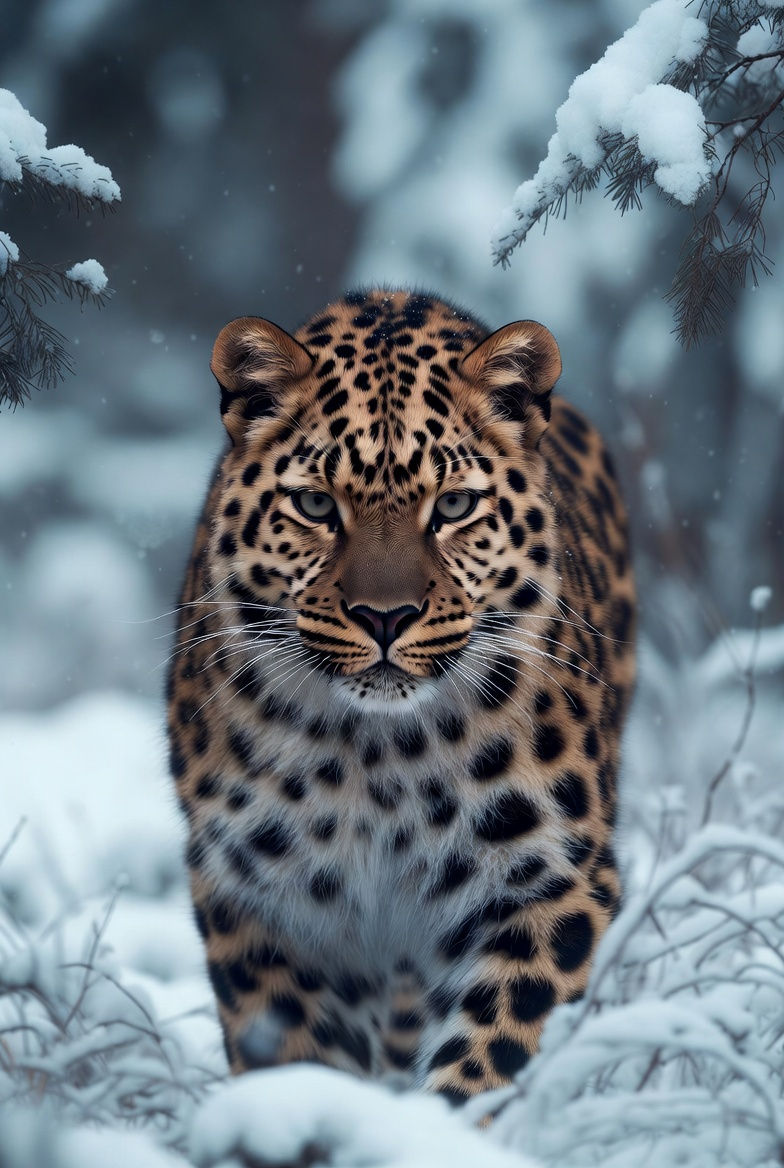
The cat purring on your couch and the jaguar prowling through the rainforest share the same ancient bloodline. That connection carries more weight than most people realize. And this is why we must work to resolve the Amur leopard crisis before it's too late.
Panthera’s Mission Matters more than just for wild cats' survival.
This shared lineage is more than a biological fact. It links our everyday comfort to the survival of wild ecosystems. When wild cats disappear, entire habitats begin to collapse. That reality makes Panthera’s work not just important, but morally urgent.
Wild cats are keystone species. Remove them, and the biological structure of their habitats falls apart. Panthera’s research shows that big cats control prey populations that would otherwise overgraze vegetation, destroy plant life, and trigger widespread soil erosion. A healthy tiger population keeps deer herds in balance, which protects forest floors and keeps watersheds clean. Saving tigers literally helps save the forests that serve as the lungs of our warming planet.
Wild cats have roamed Earth for millions of years. Humans later built cities across their paths and drew borders through their territories. The debt we owe them shows up clearly in shrinking habitats, declining prey, and species pushed toward extinction by human choices.
Understanding why wild cats matter is the first step. Knowing how to protect them effectively at scale is the next. That is where Panthera’s science-driven approach becomes essential.
Panthera’s Blueprint: Science-Driven Conservation Against Extinction
Panthera proves that saving endangered wild cats requires more than good intentions. It demands a systematic, science-based strategy applied across entire continents.
The core of this strategy is the Landscape Approach. Instead of relying on small, isolated protected areas, Panthera focuses on creating connected corridors where cats can roam, hunt, and breed freely. The organization now works in 39 countries, matching the massive scale of the threats these animals face.
Three key pillars support this work:
Habitat Connectivity: The Jaguar Corridor Initiative connects jaguar populations from Mexico to Argentina. It treats Central and South America as one living system rather than separate parks. This connectivity maintains genetic health and population resilience.
Anti-Poaching Technology: AI-powered camera systems alert rangers to intrusions in real time. This reduces response times from hours to minutes. In remote areas, speed makes all the difference.
Conflict Mitigation: Predator-proof corrals help ranchers protect livestock so they can coexist with big cats instead of retaliating. Panthera’s programs show that local community support is essential for long-term success.
Conservation efforts succeed only when people living near predators gain real benefits from protecting them. Yet even the best field strategies face one major ongoing threat: the global black-market trade in wild cats.
The Brutal Reality of Poaching and the Shadow Trade
Poaching is not a cultural tradition or gray area. It is a profit-driven industry that kills some of the planet’s most unique animals for vanity and unproven remedies.
Demand for these products is manufactured, and the extinction it causes is permanent. Tiger bone wine, marketed as a cure for arthritis or a symbol of strength, has no proven medical value. Yet it continues to reduce tiger numbers across Asia. Leopard skins serve as luxury status symbols. These choices come from people who have alternatives but still choose slaughter.
Panthera’s work reveals that the crisis extends far beyond famous big cats. As Mongabay reports, small wild cats like ocelots, caracals, and fishing cats are poached and trafficked with almost no public attention. They disappear for pelts, the exotic pet trade, and folk medicine.
Each animal removed from the wild represents a permanent loss. These species developed essential ecological roles over millions of years. The shadow trade does not just kill individuals. It erases those roles and weakens entire ecosystems.
Corporate Complicity and the Limits of “Sustainable” Practices

Habitat loss and fragmentation drive most wild cat declines, according to Panthera’s threat assessments. Agricultural expansion, mining, and other industrial activities break up the connected landscapes cats need to survive. This turns large populations into isolated groups too small to stay genetically healthy.
Corporate sustainability reports often promise “net-zero” goals and responsible sourcing. Many of these claims do not hold up when examined against actual land-use changes. Industrial habitat destruction happens gradually and legally, making it harder to confront than outright poaching.
True accountability requires transparent supply chains and real consequences for habitat destruction. Until then, many corporate pledges remain more marketing than meaningful action.
Why We Must Stop Playing God with Nature
Human survival depends on protecting the natural world. We cannot solve climate change and environmental collapse while destroying the species that keep ecosystems functional.
History shows the danger of interference. When wolves were removed from parts of North America, ecosystems suffered. Restoring wolf populations later brought measurable improvements. Nature’s balance is more complex than short-term human decisions.
Every wild cat species embodies millions of years of evolutionary adaptation. The snow leopard’s padded paws, the clouded leopard’s flexible ankles, and the cheetah’s streamlined skull are unique biological achievements. When poaching and habitat destruction combine, we risk deleting evolutionary solutions we cannot recreate.
We lack both the wisdom and the right to decide which species should disappear. Arrogance here is not just unethical; it creates practical ecological disasters.
The Bottom Line: Protecting Wild Cats Protects Us All
Wild cats are not optional extras in healthy ecosystems. They form the architecture that holds those systems together. Protecting apex predators is ecological self-defense.
Panthera is the only organization focused exclusively on all 40 wild cat species. Its strategy combines landscape protection, advanced anti-poaching tools, and community coexistence programs. These pillars reinforce each other because no single solution works alone.
Poaching is a moral failure hidden behind economic excuses. Public silence enables it.
Corporate habitat destruction often hides behind sustainability language. Consumer choices influence it.
Human arrogance connects both problems by placing short-term convenience above species survival.
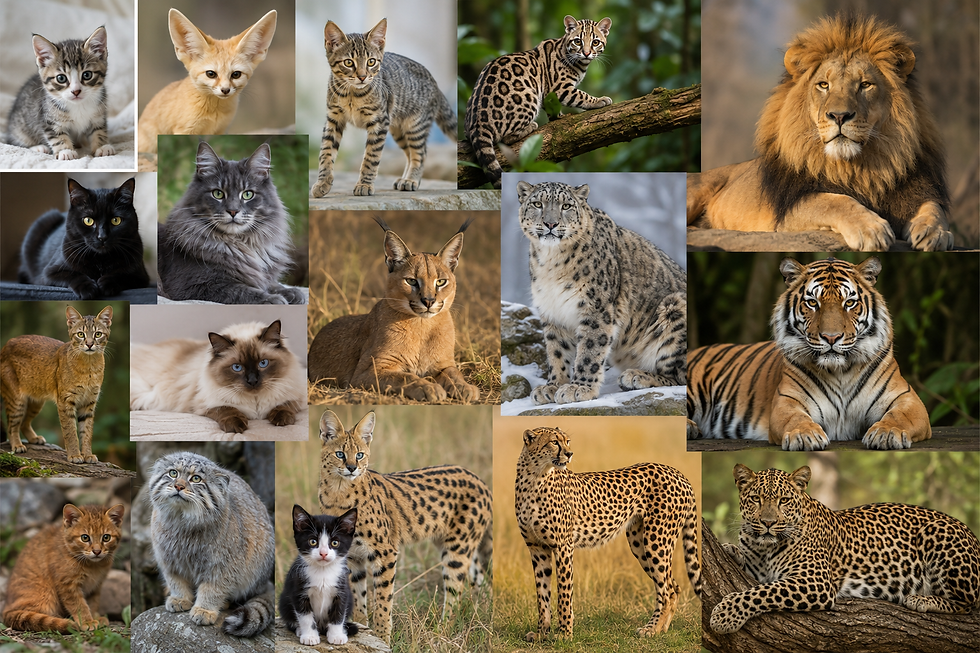
Domestic cats share an evolutionary history with every wild leopard and puma. That link reminds us that the feline spirit crosses all environments. Defending wild cats means defending that entire shared heritage.
A Call to Action: Support Wild Cat Conservation Today
Conservation is not an optional add-on. It is essential to defending the living planet we all depend on. Supporting Panthera’s field programs, research, and global efforts is one direct way to help. You can also hold corporations accountable, demand supply-chain transparency, and make conscious purchasing decisions.
The reverence many people feel for their pet cats can extend outward into advocacy for their wild relatives. At Cattytude, we believe cats in every form deserve a world that actively protects them.
Your actions, whether donating, sharing information, or staying informed, matter. The line between survival and extinction narrows with every decision we make.
Key Takeaways
Wild cats are keystone species whose presence maintains ecosystem balance.
Panthera uses science-based strategies focused on connected habitats, anti-poaching technology, and community coexistence.
Poaching and habitat destruction together threaten all wild cat species.
Supporting conservation benefits both wildlife and human communities through healthier ecosystems.
Every individual action helps determine whether future generations will still experience wild cats.
Wild Cat Conservation FAQ
Why are wild cats considered keystone species?
They regulate prey populations, prevent overgrazing, protect vegetation, and maintain clean water sources. Protecting them supports the entire food chain and ecosystem health.
What is the Jaguar Corridor Initiative?
It is a major effort to connect jaguar populations across Central and South America. By maintaining safe pathways between habitats, it preserves genetic diversity and population viability.
Can technology stop poaching?
AI camera systems and real-time alerts significantly improve ranger response times. Technology works best when combined with strong community partnerships and conflict mitigation.
How does wild cat conservation benefit humans?
Healthy cat populations support intact forests that regulate climate, protect watersheds, and provide stable environments for local communities.
How can I support wild cat conservation?
Donate to organizations like Panthera, choose ethically sourced products, spread awareness, and advocate for stronger habitat protections. Every contribution helps.
References & Further Reading
Mongabay: Big cats get the press, but small wildcats are being poached and trafficked in silence — Reporting on the underreported poaching of lesser-known feline species.
World Wildlife Fund - Amur Leopard in the Russian Far East and Primorsky Krai — Detailed profile on the remaining population along the Russia-China border.
Panthera - Protecting Amur Leopards in Primorsky Krai, Russian Far East — Field conservation programs in the core habitat of the Russian Far East.
IUCN Red List - Amur Leopard Status in Russia and Northeastern China — Scientific assessment of the critically small population along the Russia-China border.
Wildlife Conservation Society - Amur Leopard Monitoring in Primorsky Krai — Camera trap and population studies in the Russian Far East.
Zoological Society of London - Habitat Fragmentation in the Russian Far East and Northeastern China — Research on habitat loss in the Amur Leopard's last strongholds.
Comments