
Jaguarundi: The Forgotten Wild Cat

Meet the Wild Cat Nobody Talks About
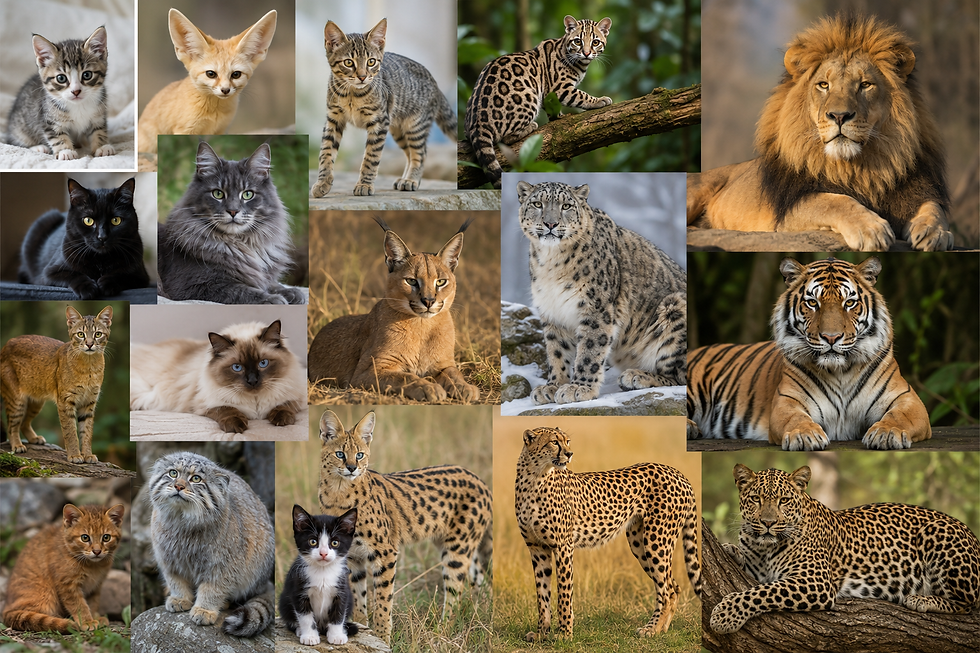
When people think about wild cats, they think of lions, tigers, jaguars, leopards, cheetahs, and snow leopards. They buy shirts with their images. They watch documentaries about them. Politicians proudly pose for photographs beside conservation signs featuring them.
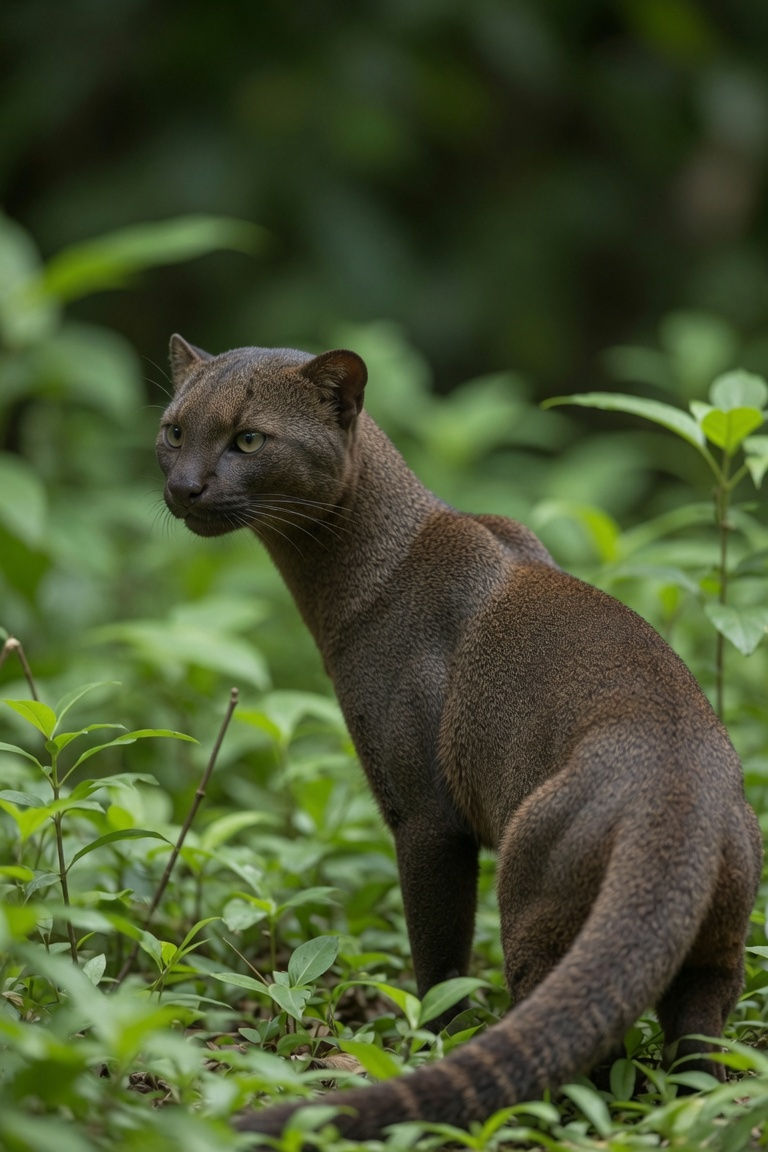
The jaguarundi wild cat gets almost none of that attention.
Yet this remarkable little cat has quietly roamed the Americas for thousands of years, surviving droughts, floods, predators, and changing climates long before modern civilization appeared.
Today, however, the jaguarundi faces a threat far more dangerous than nature itself: Us
Not because people need to survive. Not because communities need food. But because greed, vanity, and apathy have become more important than stewardship.
Jaguarundi: A Wild Cat Unlike Any Other
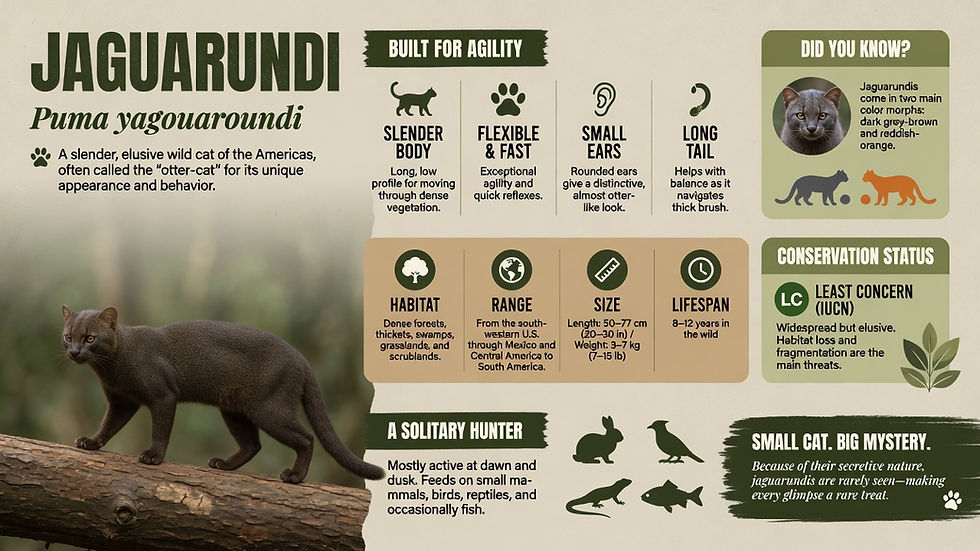
The jaguarundi (Herpailurus yagouaroundi) looks nothing like most wild cats. Instead of a stocky body and broad face, it has:
A long body
Short legs
Small rounded ears
A long tail
A sleek appearance resembling an otter or weasel
Its coat occurs in two primary color phases:
Dark gray or blackish
Reddish-brown
Unlike many cats, jaguarundis are often active during daylight hours. They hunt:
Rodents
Birds
Reptiles
Rabbits
Amphibians
Historically, they ranged from:
Northern Argentina
Paraguay
Uruguay
Brazil
Central America
Mexico
Southern United States
Today that range is shrinking in many regions.
The Number Nobody Wants to Admit
One of the most frustrating realities in wildlife conservation is that nobody truly knows how many jaguarundis remain. Scientists do not have a reliable global population estimate. Think about that. Humanity can tell you:
How many smartphones were sold this quarter.
How many luxury handbags were purchased this month.
How many social media impressions a celebrity generated yesterday.
But we cannot accurately tell you how many jaguarundis remain across their native range. That should embarrass us.
The Greenwashing Problem

Many corporations love wildlife imagery. A leopard appears in an advertisement.
A tiger appears on a product label. A jaguar appears in a luxury logo. Consumers are encouraged to believe the company cares deeply about nature. Yet many of these same industries contribute directly or indirectly to:
Habitat destruction
Deforestation
Resource extraction
Pollution
Unsustainable supply chains
This is the definition of greenwashing. A company wraps itself in the image of nature while contributing little to its protection. The jaguarundi does not care how many environmental promises appear in an annual report. It cares whether its habitat still exists.
Politicians and Empty Promises
Every election cycle seems to produce another wave of environmental promises.
Announcements. Press conferences. Photo opportunities. Slogans. Task forces. Committees. Reports.
Meanwhile, forests continue disappearing. Roads continue fragmenting habitat.
Development continues expanding.
The jaguarundi cannot survive on speeches. Wild cats require habitat. Without habitat, every promise becomes meaningless.
A Christian Perspective
Scripture teaches stewardship. From Genesis onward, humanity was entrusted with creation. Not ownership. Not exploitation. Stewardship.
When greed becomes more important than responsibility, wildlife pays the price. When vanity becomes more important than conservation, wildlife pays the price. When apathy becomes more important than action, wildlife pays the price.
The Bible repeatedly warns against the destructive consequences of greed and pride. Whether discussing corporations, governments, organizations, or ordinary individuals, those warnings remain relevant today.
The decline of wildlife often reveals not a failure of nature but a failure of human priorities.
Vanishing Jaguarundis of Texas
The jaguarundi once roamed southern Texas. Today, sightings are extraordinarily rare. For decades, researchers have struggled to confirm whether breeding populations still exist in the United States.
Agricultural conversion, urban growth, road construction, and habitat fragmentation transformed much of the landscape.
The lesson is sobering.
A species does not have to become globally endangered to disappear locally. By the time people realize what has happened, the cat may already be gone.
The Farmers Who Changed Course

Across Latin America, some landowners have begun working with conservation groups to preserve wildlife corridors. Instead of clearing every acre, portions of natural habitat remain connected. These corridors allow wildlife, including jaguarundis, to travel, hunt, and reproduce.
The story rarely makes headlines. There are no celebrity endorsements. No flashy marketing campaigns. Just ordinary people choosing stewardship over short-term profit.
That is where real conservation often happens.
Roads Through the Wild
Roads are among the least discussed threats facing many small wild cats. A highway may appear harmless. But for a jaguarundi, it can become a deadly barrier.
Roads divide habitat. They increase collisions. They isolate populations. Countless wild animals die every year simply trying to cross landscapes humans have carved apart.
Conservation is not merely about protecting land. It is about keeping habitats connected.
What Cattytude Is Trying to Do Differently

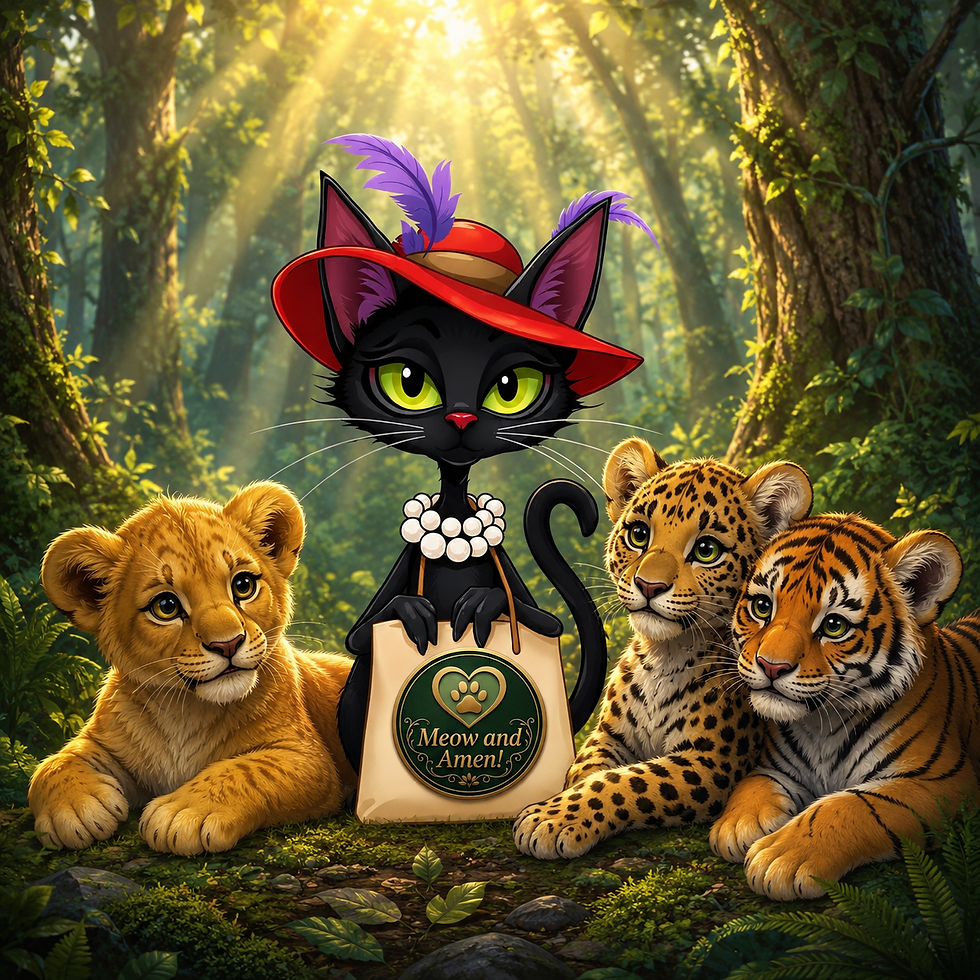
Cattytude was never intended to be just another online store selling cat-themed merchandise. The world already has enough stores. What it desperately needs is more people willing to care.
Every design, article, and conservation message exists to remind people that all of God's creatures matter, including wild cats.
When customers support Cattytude, they are supporting a mission that seeks to educate, inspire, and encourage conservation awareness.
Cattytude also promotes organizations actively helping wild cats and wildlife conservation:
Through direct and indirect giving initiatives, Cattytude has worked to ensure that a portion of every purchase contributes toward conservation-focused efforts rather than simply adding to another corporate bottom line.
Because wild cats deserve more than thoughts and prayers. They deserve action.
Why the Jaguarundi Matters
Some people ask: "Why save a cat most people have never heard of?"
Because every species plays a role. Because extinction is permanent. Because biodiversity strengthens ecosystems. Because future generations deserve the opportunity to witness these animals. And because a society willing to ignore small, overlooked species often ends up failing larger ones too.
What You Can Do
Support legitimate conservation organizations.
Demand transparency from corporations.
Reject greenwashing.
Learn about lesser-known species.
Support wildlife education.
Preserve native habitat whenever possible.
Encourage responsible land management.
Share conservation stories.
Small actions matter.
Enough small actions become movements.
Frequently Asked Questions
What is a jaguarundi?
A small wild cat native to the Americas known for its long body, short legs, and unusual appearance.
Are jaguarundis endangered?
Globally, they are listed as Least Concern, but local populations are declining significantly.
How many jaguarundis are left?
Nobody knows. No reliable global population estimate exists.
How many subspecies are there?
Historically, eight subspecies were recognized, although modern taxonomy is still debated.
Do jaguarundis live in the United States?
Historically, they occurred in southern Texas. Their current status in the U.S. remains uncertain.
What do jaguarundis eat?
Small mammals, birds, reptiles, amphibians, and other small prey.
Why are jaguarundis important?
They help maintain ecological balance by controlling prey populations and contributing to healthy ecosystems.
What threatens jaguarundis most?
Habitat loss, fragmentation, roads, agricultural expansion, and human development.
Additional References

Comments