
Carson Springs Wildlife Conservation Foundation History and Mission


Carson Springs Wildlife Conservation Foundation stands as a dedicated nonprofit sanctuary and educational center in north-central Florida. Founded by Christine and Barry Janks, it provides lifetime homes for rescued exotic animals while promoting species preservation through education and selective breeding programs. Located on a former horse farm near Gainesville, the facility spans roughly 275 acres with large natural enclosures. This article covers its origins, animal residents, care standards, educational work, and broader conservation role.
Origins in Horse Racing and a Trip to South Africa
Christine and Barry Janks spent decades in the Thoroughbred horse racing industry. Christine worked as a leading trainer. Barry served as a jockey agent and helped breed champion horses. In the fall of 2001, the couple traveled to South Africa with a desire to see cheetahs in the wild and support their preservation.
They visited the De Wildt Cheetah Trust and met founder Ann Van Dyk. The visit inspired them to assist with fundraising in the United States. That connection led to the creation of Carson Springs Wildlife Conservation Foundation. The Janks later purchased land in South Africa with Van Dyk to create an educational preserve and temporary housing for problem cheetahs and leopards.
By 2007, the couple largely retired from horse racing. They considered moving permanently to their South African farm near Bela Bela. Instead, they recognized a need closer to home. They decided to convert their former horse farm near Gainesville, Florida, into a conservation and education facility. Large enclosures with natural vegetation were built. In 2008, the first animals arrived.
Development of the Florida Sanctuary
Carson Springs opened on the 275-acre property in Alachua County. About 80 acres form the core animal area, kept isolated for safety and natural conditions. The foundation operates as a 501(c)(3) nonprofit. It holds licenses from the USDA, Florida Fish and Wildlife Commission, and Alachua County. It maintains accreditation with the Zoological Association of America.
The founders have never taken a salary and state they never will. All donations go directly to animal care and conservation. The facility receives no state or federal operational funding. It depends on private donations, animal adoptions, tours, events, and sponsorships.
Inspections occur regularly. The organization reports it has never received a citation. Enclosures exceed minimum standards and allow natural behaviors such as climbing, digging, and exploring.
Animals and Rescue Stories at Carson Springs
Carson Springs houses approximately 30 rare and endangered species and more than 100 animals. Roughly 60 percent are big cats. Residents include tigers, lions, cheetahs, jaguars, leopards, cougars, caracals, and clouded leopards. Other species include hyenas, an Indian rhinoceros, lemurs, various pigs, and birds.
Many big cats arrived through Florida Fish and Wildlife or USDA relocations from bankrupt or substandard facilities. Others came from private ownership situations that failed. Gator the tiger provides one clear example. He arrived severely underweight after time in a cub photo operation where food restriction was used to keep animals small enough for public contact. With specialized veterinary care, he recovered and grew to roughly 500 pounds. He now ranks among the largest animals at the sanctuary.
Henry the Indian rhinoceros arrived after years in other facilities. Born in India when the wild population was critically low, he later lived at several American zoos before retiring at Carson Springs. Visitors often cite him as a favorite. Clouded leopard Doodle was born at the facility, temporarily transferred for a breeding program, and returned after showing clear distress elsewhere. He now lives with his parents.
Other residents include hyenas Scarlett and Rhett, various lemur groups, and red river hogs with offspring. Some animals arrived declawed or otherwise compromised by previous private ownership. Staff work to restore natural behaviors over time.
Education and Public Tours
Education forms a core part of the mission. Tours are led by professional zoologists. Each visit covers individual animal histories along with species facts and conservation challenges. Visitors learn why emotional connections to living animals motivate support for wild populations.
Walking and riding tours run on scheduled days. Special events include open houses, seasonal programs, and group visits for schools and camps. The foundation emphasizes that most people will not protect species they have never seen or felt connected to. The close but safe viewing distances help create that connection.
The organization also participates in species survival breeding programs for certain endangered animals. Offspring may move to other accredited facilities to maintain genetic diversity and reduce pressure on wild populations.
Standards of Care and Daily Operations
Animal care follows strict protocols. Diets are formulated with veterinary and nutritionist input. Big cats receive substantial amounts of fresh meat daily. Enrichment and large naturalistic spaces allow species-typical activity. Veterinary care is ongoing.
Founders and staff describe strong bonds with the animals. Many residents respond to familiar voices and show visible comfort in their surroundings. The facility prioritizes lifetime placement for nearly all animals rather than temporary holding.
Support from Mission-Driven Brands
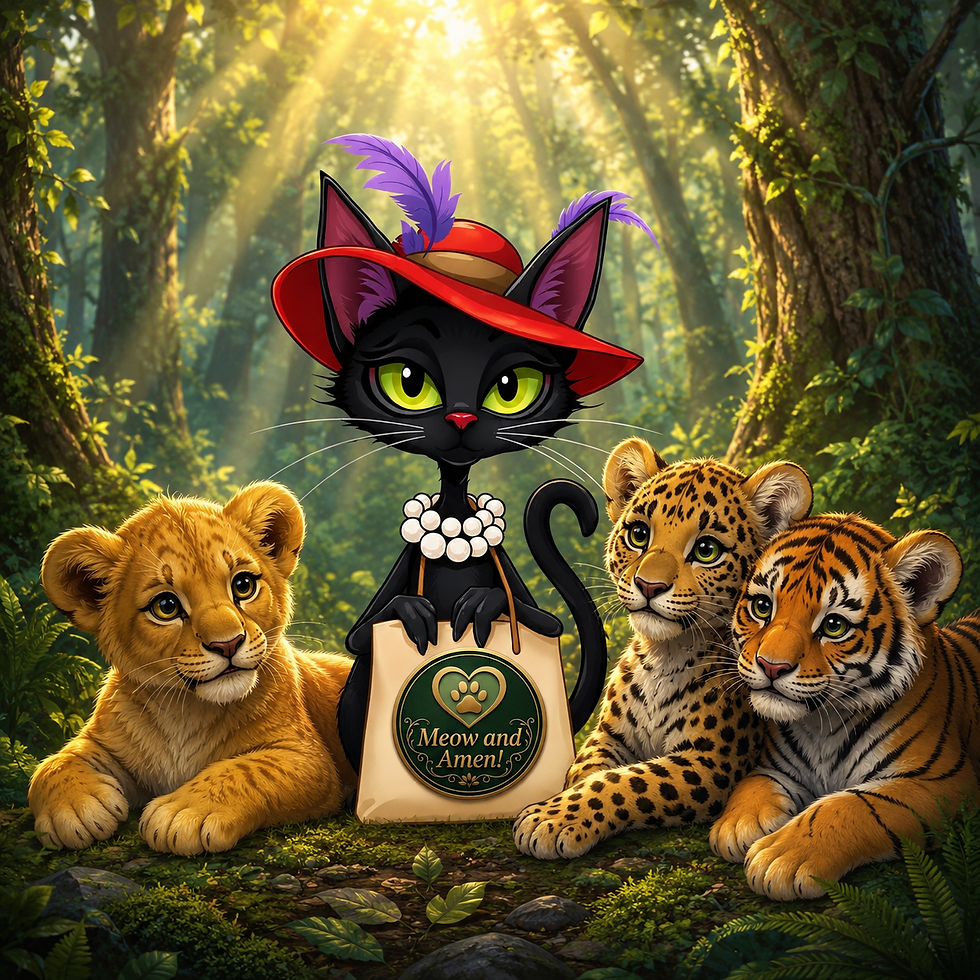
Certain brands direct a portion of sales toward wild cat and wildlife protection. Cattytude creates cat-themed apparel and gifts made to order. It donates 10 percent of every sale to four organizations. These include:
Cattytude encourages customers to respect cats by choosing ethical, made-to-order prints. The brand rejects the idea that animals should be killed simply for body parts. In the current century, such practices have no place. Purchases support both immediate animal care and longer-term conservation while promoting values that refuse unnecessary harm.
How the Public Can Help
Visitors can book tours through the official website. Donations of any size help cover daily feed and medical costs. Animal adoptions and enclosure sponsorships provide steady support. School and group programs expand educational reach. Accurate sharing of information about responsible exotic animal care also contributes.
The foundation remains fully dependent on private support. Every contribution directly benefits the animals and the educational mission.
Frequently Asked Questions
What is Carson Springs Wildlife Conservation Foundation?
It is a nonprofit sanctuary and educational facility near Gainesville, Florida, that provides lifetime care for rescued exotic animals and promotes species preservation.
Who founded Carson Springs?
Christine and Barry Janks founded the organization after careers in Thoroughbred horse racing and a formative trip to a cheetah conservation center in South Africa.
When did the Florida facility open? The first animals arrived in 2008 after the couple converted their former horse farm.
How large is the property?
The site covers approximately 275 acres, with a substantial portion dedicated to animal enclosures designed for natural behavior.
What animals live there?
Residents include tigers, lions, cheetahs, jaguars, hyenas, an Indian rhinoceros, lemurs, clouded leopards, and many other species. Roughly 30 are rare or endangered.
Is Carson Springs accredited?
Yes. It holds Zoological Association of America accreditation and required state and federal licenses. It reports a clean inspection record.
Do the founders take salaries?
No. Christine and Barry Janks state they take no salary and never will. All donations go to animal care.
How is the organization funded?
It relies entirely on private donations, tours, adoptions, events, and sponsorships. No regular state or federal operational funding supports the animals.
Can the public visit?
Yes. Scheduled tours led by professional zoologists are available. Special events and group programs also occur.
What is the main mission?
The mission is to preserve wild species in their native habitats through rescue, education, and support for genetic diversity programs.
Does Carson Springs breed animals?
It participates in select species survival and international breeding programs for certain endangered species to help maintain healthy captive populations.
How does Cattytude support the foundation?
Cattytude donates 10 percent of sales to Carson Springs and three other organizations while promoting ethical, made-to-order products that reject harming animals for body parts.
Where can official information be found?
The foundation’s website provides tour booking, donation options, and animal details.
Looking Ahead
Carson Springs Wildlife Conservation Foundation continues its dual role of individual animal care and public education. The founders’ transition from horse racing to wildlife work demonstrates how personal experience can drive long-term commitment. Large enclosures, high care standards, and consistent educational messaging remain central.
Support from visitors, donors, and mission-aligned businesses helps sustain the animals and the broader goal of species preservation. The work at Carson Springs shows that well-managed sanctuaries can both rescue animals in need and build the public understanding required for lasting conservation progress.
References for Further Reading
IUCN Red List of Threatened Species: https://www.iucnredlist.org
World Wildlife Fund species conservation resources: https://www.worldwildlife.org
Zoological Association of America: https://www.zaa.org
U.S. Department of Agriculture Animal Care: https://www.aphis.usda.gov/aphis/ourfocus/animalwelfare
Florida Fish and Wildlife Conservation Commission: https://myfwc.com


Comments