
Everything You Need to Know About Tigers


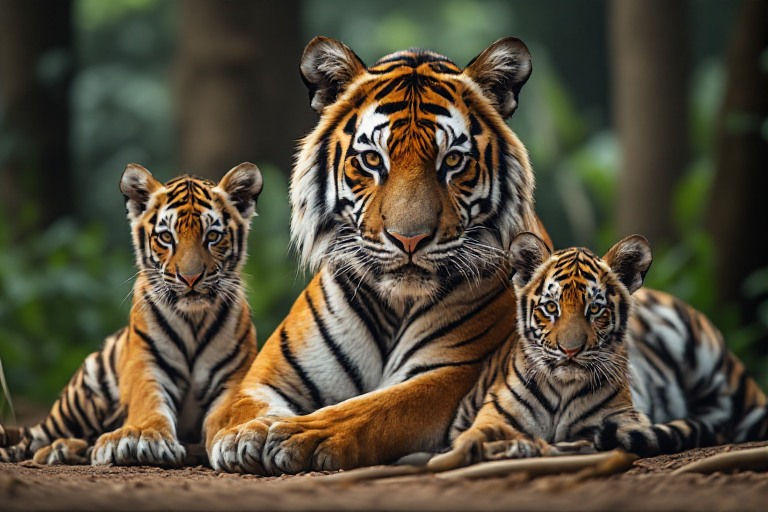
Tigers are among the largest and most powerful cats on Earth. They belong to the species Panthera tigris and share the genus with lions, leopards, jaguars, and snow leopards. Their orange coats with unique black stripes, massive strength, and solitary nature have made them symbols of power across Asia for centuries. Today, fewer than 5,600 wild tigers remain according to recent global estimates.
These animals once ranged from Turkey to the Russian Far East and the islands of Indonesia. Human pressure has reduced their range to less than seven percent of its historic size. Three traditional subspecies are already extinct. The rest face ongoing threats from habitat loss, poaching, and weak enforcement of protective laws.
This article covers every traditional tiger subspecies in alphabetical order. It includes physical traits, range, habitat, and status for each. It also examines the real causes of their endangerment and the role of Cattytude in offering ethical alternatives while calling for accountability.
Everything About Tigers: Biology Basics
Adult tigers are muscular with strong forelimbs and wide paws. Males weigh from 100 to 260 kilograms depending on the form. Females are smaller. Head-to-body length ranges from 1.4 to 2.8 meters with a tail of 0.6 to 1.1 meters.
Stripe patterns are unique to every individual. The coat provides camouflage in forests and grasslands. Tigers are solitary and territorial. Males hold larger ranges that overlap several female ranges.
They hunt mainly at dawn, dusk, or night using ambush. Preferred prey includes deer, wild boar, and other ungulates. Tigers are strong swimmers and can cross wide rivers. Cubs stay with their mother for 18 to 24 months.
Amur Tiger
The Amur tiger is also called the Siberian tiger. It is the northernmost form and one of the largest. Males historically reached over 200 kilograms. Modern wild males average closer to 176 kilograms. Fur is thicker and paler than in southern tigers, especially in winter.
These tigers live in the temperate forests of the Russian Far East and parts of northeast China. Key prey includes wapiti, wild boar, and sika deer. Home ranges are large due to lower prey density.
Recent estimates place the number of individuals in Russia, including cubs, at around 700, with smaller numbers in China. The form is listed as Endangered. Poaching and habitat fragmentation remain the main threats.
Bali Tiger
The Bali tiger was the smallest subspecies and is extinct. It lived only on the island of Bali. Adults weighed up to about 100 kilograms. Coats were darker with fewer stripes.
These tigers occupied island forests and hunted wild boar and deer. Dutch colonial hunting and rapid conversion of land for farming drove the decline.
The last confirmed individual was killed in 1937. By the 1940s, the subspecies was gone. No pure captive line survived.
Bengal Tiger
The Bengal tiger is the most numerous remaining form. Males typically weigh 200 to 260 kilograms. Females are smaller. Some Sundarbans individuals are lighter due to local conditions.
They live across India, Nepal, Bhutan, Bangladesh, and parts of southwestern China. Habitats include forests, grasslands, and the mangrove forests of the Sundarbans. Prey ranges from deer and wild boar to aquatic animals in the delta.
India holds more than 3,000 individuals in recent counts. The subspecies is Endangered overall. Poaching, habitat loss, and human conflict continue to pressure populations.
Caspian Tiger
The Caspian tiger is extinct. It once ranged from eastern Turkey through Central Asia and into western China. It was large and closely related to the Amur tiger.
These tigers lived in riverine forests and reed beds. They hunted wild boar and deer. Hunting by military and sport parties, plus conversion of habitat for cotton farming, caused the collapse.
The last reliable records date to the 1950s and 1960s. The subspecies was declared extinct in the early 2000s.
Indochinese Tiger
The Indochinese tiger inhabits mainland Southeast Asia. It is medium-sized with a darker coat and denser striping than northern forms. Preferred habitats are tropical and subtropical forests.
Prey includes deer, wild boar, and banteng. Remaining populations are concentrated mainly in western Thailand and parts of Myanmar. Numbers are low and hard to census precisely.
The form is Endangered and may already meet Critically Endangered criteria. Poaching, snaring, and habitat conversion are the primary drivers of decline.
Javan Tiger
The Javan tiger lived only on the island of Java and is extinct. It was larger than the Bali tiger but smaller than most mainland forms. Coats were dark with many stripes.
These tigers occupied forests and hunted deer, wild boar, and banteng. Colonial hunting bounties and later agricultural expansion reduced both habitat and prey.
The last confirmed sighting occurred in 1976. Later searches found no evidence of survival. The subspecies was declared extinct.
Malayan Tiger
The Malayan tiger is restricted to the Malay Peninsula. It is relatively small compared with northern forms. Habitats include tropical forests, shrubland, and grassland.
Prey consists of wild boar, deer, and occasionally other animals. Population estimates have fallen below 150 individuals in recent assessments. Some counts place mature animals even lower.
The subspecies is Critically Endangered. Palm oil expansion, logging, and poaching continue to drive the decline. Remaining animals are concentrated in a few protected areas.
South China Tiger
The South China tiger is considered functionally extinct in the wild. No confirmed wild individuals have been recorded since the late 1980s or early 1990s. The historic range covered central and eastern China.
These tigers were medium-sized. Intensive hunting and habitat loss reduced numbers rapidly. Captive populations in Chinese facilities number around 150 to 200 animals.
Genetic diversity is limited. Reintroduction efforts remain experimental. The subspecies is listed as Critically Endangered and possibly extinct in the wild.
Sumatran Tiger
The Sumatran tiger is the only surviving island form and the smallest living tiger. Males typically weigh 100 to 140 kilograms. Coats are darker with dense striping and sometimes a more pronounced ruff.
These tigers live only on Sumatra in lowland and montane forests and peat swamps. Prey includes deer and wild boar. Fewer than 600 individuals remain in the wild.
The subspecies is Critically Endangered. Habitat conversion for plantations, poaching, and human conflict are the main threats. Protected areas and anti-poaching work provide limited protection.
Threats from Fashion, Poaching, Business, and Government Failure
The fashion trade once prized tiger skins for rugs, coats, and trophies. Wealthy hunters and colonial markets treated the animals as luxury goods. That demand helped normalize large-scale killing.
Poaching for bones, claws, teeth, and skins continues today. Illegal markets, including those tied to traditional medicine claims, create high profits. Organized networks move the parts across borders. Captive facilities in some regions have been linked to the trade.
Large commercial operations clear forests for palm oil, timber, mining, and infrastructure. These activities remove cover and prey. Fragmented habitats isolate remaining tigers and raise genetic risks.
Governments often pass protective laws and sign international agreements. Enforcement frequently lags. Corruption, underfunded patrols, and competing economic priorities allow poaching and habitat loss to continue. The gap between stated policy and actual results remains wide.

Cattytude and Shared Responsibility

Cattytude has joined the effort with two clear goals. It creates prints that honor the beauty and power of tigers without requiring any animal to die. No real skins or body parts are used.
It also works to raise awareness. Failing to demand accountability for habitat destruction and poaching makes people complicit through inaction. Looking away while animals are killed and forests vanish is not neutral.
Sloth is one of the seven deadly sins despised by God. This attitude aligns with the lukewarm description: "So then, because you are lukewarm, and neither cold nor hot, I will vomit you out of My mouth." - Revelation 3:16 NKJV
Choosing comfort over action leads to consequences. Humanity was entrusted with the stewardship of the earth and its creatures. The decline in tiger populations and other wildlife indicates that this responsibility has been neglected.
How You Can Help

Readers can take direct action by supporting verified organizations that rescue tigers or protect wild populations. The National Tiger Sanctuary and Carson Springs Wildlife Conservation Foundation both provide care for rescued tigers and other big cats. Donations can be made through their official pages.
Panthera runs the Tigers Forever program focused on increasing wild tiger numbers across key Asian sites through anti-poaching and habitat work. WWF funds broader tiger conservation, including habitat protection and community programs. Both accept online donations and offer symbolic adoption options.
Choose groups that publish transparent financial reports and prioritize both captive welfare and wild survival. Supporting ethical tiger prints from Cattytude raises awareness without harming any animal. Time, money, and informed pressure on governments all matter when populations remain so low.
Conclusion
Everything about tigers starts by understanding they survive in small, fragmented populations. Three subspecies are already confirmed gone. Four if you include the South China Tiger, as it hasn't been seen since the 1990s. The rest depend on stronger protection of habitat, real enforcement against poaching, and reduced commercial pressure on forests. Ethical alternatives such as those offered by Cattytude show one way to celebrate these animals without contributing to their destruction. Stewardship requires action rather than comfort. The remaining window for recovery is narrow.
Frequently Asked Questions
How many tiger subspecies are there?
Traditional classification recognizes nine subspecies. Six survive in some form, and three are extinct. Some modern genetic studies propose only two broader groups, but the traditional nine remain widely referenced for conservation and history.
How many wild tigers are left in the world?
Recent estimates from the Global Tiger Forum and supporting organizations place the number at approximately 5,500 to 5,600 individuals. India holds the large majority. Populations in a few countries have stabilized or grown under protection, yet overall numbers remain critically low compared with historic levels of around 100,000.
Why are tigers endangered?
The main causes are poaching for skins and body parts, large-scale habitat loss from agriculture and development, and insufficient enforcement of protective laws. Human-tiger conflict also leads to retaliatory killings when livestock is taken.
Are any tiger subspecies already extinct?

Yes. The Bali tiger, Caspian tiger, and Javan tiger are extinct. The South China tiger is considered functionally extinct in the wild, with no confirmed free-ranging individuals for decades.
What is the largest tiger subspecies?
The Amur tiger is generally regarded as the largest living form. Historical males reached the highest recorded weights. Bengal tigers can approach similar sizes in good conditions.
Do tigers live in groups?
No. Adult tigers are solitary except during mating or when females raise cubs. Males and females maintain separate territories that may overlap.
How can people help tigers without harming them?
Support ethical products that celebrate tigers through art and prints rather than real skins or parts. Demand stronger enforcement against poaching and habitat destruction. Avoid any products linked to the illegal wildlife trade.
What does Cattytude do for tigers?
Cattytude produces prints that honor tigers without costing them their lives. It also raises awareness that inaction against threats makes people complicit and that stewardship of creation requires deliberate effort rather than comfort.
Information Sources
World Wildlife Fund: https://www.worldwildlife.org/species/tiger/
Smithsonian’s National Zoo and Conservation Biology Institute: https://nationalzoo.si.edu/animals/tiger
IUCN Red List of Threatened Species. Panthera tigris assessment (Endangered): https://www.iucnredlist.org/species/15955/214862019


Comments